A Closer Look at U.S. Tariffs and the Indian Drone Industry
Recent moves by the U.S. government to raise tariffs on Indian goods are stirring up heated debates among industry experts and market watchers alike. The idea behind this tactic is simple enough—apply extra charges to imported goods in an effort to protect domestic interests. However, when the focus shifts to an industry as dynamic and rapidly evolving as drone manufacturing in India, the impact becomes anything but straightforward.
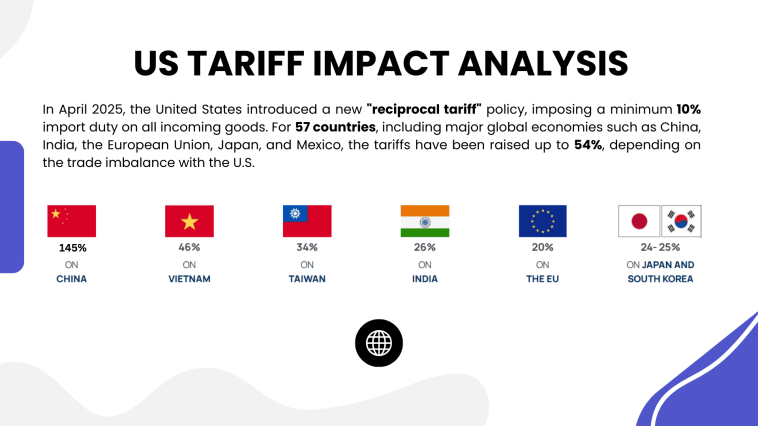
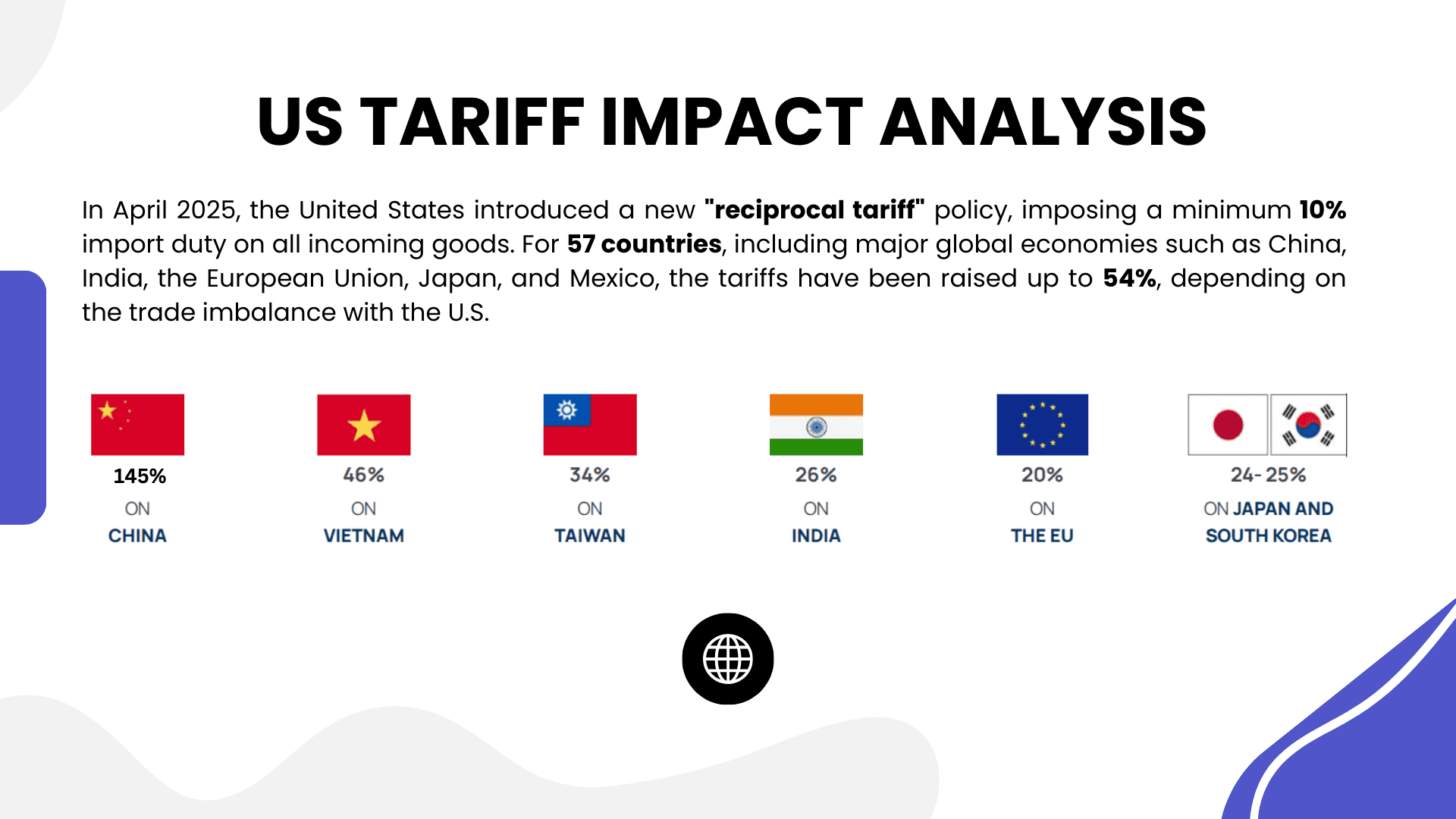
At the heart of the discussion are newly imposed tariffs which started at 25% and now face the possibility of doubling to 50% as a response to India’s continued imports of Russian oil. The potential ramifications of these tariffs are significant for Indian drone companies that have built their business on a foundation of strong domestic policy support and sharp ambitions in both local and international markets.
Understanding the Tricky Parts of U.S. Tariff Policy on Indian Drones
The U.S. tariff changes highlight some of the tangled issues that come with international trade policies. While a host of other sectors—such as pharmaceuticals and smartphones—enjoy exemptions from these hikes, drones and their components are notably left out of any protection. This selective approach creates a competitive imbalance that could prove nerve-racking for manufacturers looking to break into the U.S. market.
The following table summarizes the key contrasts between sectors and the specific challenges drones face:
| Sector | Tariff Exemption | Impact on Exports |
|---|---|---|
| Pharmaceuticals | Exempt | Relatively smooth U.S. market entry |
| Smartphones | Exempt | Steady export growth |
| Drones and Components | Not Exempt | Increased cost pressures and market entry challenges |
This table reveals that while other sectors can steer through trade challenges with fewer roadblocks, the Indian drone industry faces additional costs that may hinder its expansion in one of the world’s largest markets.
Indian Drone Industry: Growth Fueled by Domestic Initiatives
India’s drone industry has experienced rapid expansion in recent years. Government initiatives such as the Drone Rules 2021 and the Production Linked Incentive (PLI) Scheme have acted as powerful catalysts for growth, especially in fields like agriculture, logistics, infrastructure inspection, and defense. These initiatives have provided a framework that has helped domestic companies rise to prominence.
Established names like ideaForge, Garuda Aerospace, and DroneAcharya are now household names in the industry circles, particularly after high-profile IPOs and lucrative defense contracts. This success illustrates how favorable domestic policies can nurture a competitive ecosystem that not only meets local needs but also targets international expansion.
Government Policies and Their Impact on Drone Manufacturing
One of the super important challenges for India’s drone manufacturers is that while the government has actively promoted local production, it has also taken steps to curb foreign competition—most notably, that coming from China. In 2022, the Ministry of Civil Aviation banned the import of fully assembled drones. The aim? To give local manufacturers a chance to build and innovate without the overwhelming pressure of Chinese competition.
Additionally, the Ministry of Defence has imposed strict regulations to keep Chinese-made components out of military drone systems. While these moves have helped in building a robust domestic ecosystem, they have also created some tricky parts. For example, unauthorized channels still allow Chinese drones to enter the market, leading to a mixture of regulated and unregulated products that make the overall landscape feel a bit on edge.
Filling the U.S. Market Gap Left by Chinese Manufacturers
Security concerns in the U.S. have resulted in a decline in the use of Chinese-made drones, particularly those from heavyweights like DJI. The National Defense Authorization Act (NDAA) has forbidden the use of certain drones that are considered high risk, pushing the U.S. government to search for safe, compliant alternatives. This situation presents a golden opportunity for Indian companies.
Indian manufacturers have intensified their efforts to design drones that meet the exacting standards demanded by U.S. regulations. Their strategies include developing NDAA-compliant designs and actively seeking partnerships to enter the U.S. market. With China stepping aside, Indian drone makers are well-positioned to offer alternatives that emphasize security, resilience, and advanced technological capabilities.
Key Steps for Indian Companies to Fill the Market Void
For Indian manufacturers poised to make inroads in the U.S. market, the following measures are essential:
- Invest in R&D to ensure drones meet the required security standards.
- Collaborate with U.S. partners to share technological know-how.
- Adopt quality control measures that exceed international benchmarks.
- Develop customized solutions for the unique needs of public safety and defense.
- Navigate the regulatory maze efficiently through expert consultants.
Each of these strategies involves its own set of complicated pieces and may require manufacturers to dig into the fine points of both U.S. and Indian regulatory frameworks.
How U.S. Tariffs on Drone Components Could Reshape International Trade
The potential shift from a 25% to a 50% tariff on drones and related components poses considerable challenges. For a market that has been rapidly growing and carving out a niche both locally and abroad, the added cost burden may prove overwhelming, particularly during the early stages of overseas expansion.
Manufacturers are now tasked with the challenge of maintaining competitive prices in the U.S. market while absorbing or transferring these new tariffs. This process requires an efficient approach to optimize costs without compromising product quality or compliance. Let’s take a moment to explore some of these cost pressures and the strategic inflection points they introduce:
Unpacking the Added Cost Pressures
Indian drone manufacturers may find themselves facing several tough questions as they try to figure a path forward:
- How can production processes be streamlined to lower overall costs?
- What steps can be taken to improve supply chain management amid rising tariffs?
- Should companies shift some of their focus to markets that may be less impacted by these tariffs?
- How can partnerships with U.S. companies help mitigate cost concerns?
Each of these questions represents a tangled issue that companies must address carefully. For many firms, the additional tariffs introduce a series of nerve-racking uncertainties that require dynamic solutions and thoughtful strategic planning.
Exploring the Economic Trade-Offs for Indian Drone Exports
When mixed with the complexities of international trade and shifting economic policies, these tariff changes may have broad effects on export dynamics. For Indian drone companies, the outcome will likely be determined by the fine shades of economic interplay between cost, demand, and market access.
Below is a detailed look at some of the economic trade-offs and their potential outcomes:
| Area | Potential Impact | Considerations |
|---|---|---|
| Increased Production Costs | Higher costs for raw materials and imported components | Companies may need to optimize production |
| Market Competitiveness | Reduced price competitiveness in the U.S. | Strategic partnerships and design innovations are crucial |
| Supply Chain Reconfiguration | Potential restructuring of supply chains | Exploring local partnerships and alternative routes |
| Investment in Technology | Increased need for R&D to offset tariff impacts | Enhanced focus on energy efficiency and security features |
| Regulatory Compliance | Stricter standards required for U.S. market entry | Focus on meeting and exceeding NDAA guidelines |
This table reflects that the trade-offs are not merely a matter of increased costs; they present an opportunity for companies to innovate, reconfigure their production processes, and ultimately emerge stronger. Yet, each decision comes with its own set of tricky parts that demand careful thought and planning.
Adapting to New Market Realities: The Role of Strategic Partnerships
For Indian drone manufacturers, finding a way to manage the rising U.S. tariff barrier while still maintaining market share presents a challenge full of twists and turns. This is where strategic partnerships and collaboration become key. By working closely with U.S.-based companies or local stakeholders, Indian firms can figure a path through the maze of additional costs to still deliver high-quality, competitive products.
Some of the most effective approaches being explored include:
- Joint ventures to share both the risks and the rewards.
- Technology transfer agreements to improve product standards.
- Co-branding initiatives that align with U.S. security requirements.
- Establishing local assembly lines in partnership with U.S. companies.
These collaborations not only serve to mitigate the additional cost pressures but also help in sharing the burden of regulatory compliance. Working through these challenges by pooling resources and know-how is a sensible way forward in an increasingly competitive environment.
Working Through the Domestic Versus International Trade Puzzle
India’s success in nurturing its domestic drone industry has been largely driven by supportive government policies and incentives. Yet, as the market eye shifts to international expansion with the U.S. as a potential key destination, new regulatory and financial obstacles come into play.
The current tariff hikes force manufacturers to make some off-putting, yet critical decisions about market focus. Should they continue focusing on the domestic market, where protective policies provide clear benefits, or should they venture into international markets, braving a landscape loaded with issues and additional trade costs? This decision is far from straightforward, and each path comes with its own set of trade-offs that are both nerve-racking and demanding.
Domestic Market Strengths vs. International Opportunities
A quick look at the advantages and challenges on both fronts can help frame the debate:
- Domestic Market Strengths:
- Robust government backing through initiatives like Drone Rules 2021 and PLI schemes;
- Reduced competition from foreign rivals due to import bans;
- An ecosystem that nurtures local talent and innovation.
- International Opportunities:
- Access to larger, more lucrative markets such as the U.S.;
- The possibility of filling the void left by Chinese manufacturers;
- Enhanced reputations from meeting international security and compliance standards.
Each list highlights the fine shades between market advantages and the corresponding challenges that need careful balancing. While the domestic market provides a familiar landscape bolstered by supportive regulations, the U.S. market offers a lucrative arena that also demands adherence to strict security and compliance norms.
Rising Above Trade Barriers: Innovative Responses from the Industry
In the face of rising tariffs, innovation is emerging as the super important lever for Indian drone companies. Companies are already experimenting with new technologies that reduce reliance on imported components and that meet stringent foreign standards. For many, the current situation is a call to poke around and explore alternate strategies—a chance to reimagine the way technology, security, and cost-effectiveness can coexist.
Some of the responses include investing in indigenous technology for essential components like motors, sensors, and batteries. While complete self-reliance may be a distant goal, even partial success in this area could reduce dependency on imports and offer a buffer against the financial shocks of rising tariffs.
Innovative Strategies to Offset Tariff Pressures
Industry leaders are considering several options to address the new set of challenges. Here are a few innovative responses that could help offset rising tariff pressures:
- Local Component Manufacturing: Boosting production of key parts domestically to reduce exposure to imported goods.
- R&D Investments: Increased research into materials and processes that can cut costs without sacrificing quality.
- Alternative Supply Chain Models: Rethinking supply chains to minimize reliance on tariff-impacted routes.
- Cross-Border Collaborations: Partnering with technology firms around the globe to share expertise and reduce development costs.
- Advanced Compliance Methodologies: Implementing proactive strategies to ensure that products meet U.S. regulatory standards ahead of time.
These strategies are not without their own set of complicated pieces, but they represent crucial steps towards building a more resilient international presence that can absorb external shocks such as abrupt tariff hikes.
Assessing the Long-Term Impact on Global Drone Markets
The long-term effects of these tariff adjustments extend beyond the immediate cost increases—in essence, they could reshape global supply chains and redefine competitive boundaries. The Indian drone industry, by virtue of its rising capability and proven track record, stands at a crossroads. The market potential is enormous, and the global appetite for secure, reliable, and efficient drone technology is on the rise.
However, success demands an ability to master the small distinctions and subtle parts of global trading protocols. Rising tariffs are just one piece of a much larger puzzle that includes technological innovation, regulatory compliance, and strategic market positioning. The industry’s response to this challenge could very well set a precedent for other sectors facing similar external pressures.
Implications for the Future of Drone Technology Trade
As Indian drone companies brace themselves for these changes, their efforts to figure a path forward must balance several factors:
- Maintaining superior product standards while managing heightened production costs;
- Investing in new manufacturing techniques to reduce dependency on imported components;
- Working through conflicting domestic priorities versus international ambitions;
- Staying ahead in the fast-paced realm of technology through continued innovation;
- Finding a balance between regulatory compliance and market competitiveness.
Each of these points represents a small twist in the overall strategy that, if executed well, can lead to significant competitive advantages in the long run—both in the U.S. and global markets.
Strategic Recommendations for Industry Stakeholders
In light of the emerging challenges, industry stakeholders—ranging from manufacturers to policymakers—must collaborate to streamline the path forward. Based on current conditions and future projections, here are several super important recommendations:
- Enhance Regulatory Dialogue: Regular discussions between industry players and regulatory agencies will help clear up the confusing bits of newly introduced tariffs and trade policies.
- Elevate Domestic Capabilities: Invest in local supply chains to develop critical components, thereby reducing dependency on imported parts that are subject to steep tariffs.
- Strengthen International Collaborations: Forge partnerships that leverage the strengths of both Indian innovation and U.S. market expertise to create products that meet high security standards.
- Prioritize R&D and Innovation: Allocate resources to research and development to discover cost-effective production methods and new drone technologies.
- Adopt Agile Business Models: Remain flexible in response to evolving market conditions, ensuring that the business strategies can be adjusted quickly as new challenges arise.
Each recommendation is designed to address one of the many nerve-racking challenges faced by the industry today. By taking concrete steps in these areas, both manufacturers and policymakers can work together to ensure that the drone market remains vibrant and competitive over the long haul.
Looking Ahead: A New Era for International Drone Trade
As the landscape of international trade continues to evolve, the Indian drone industry finds itself at a pivotal moment. The decision by the U.S. to impose—and potentially escalate—tariffs on Indian drone products is triggering an industry-wide introspection about supply chains, market strategies, and the overall approach to international expansion.
There is no denying that this environment is tense and loaded with issues. However, it is also ripe with opportunities for ingenuity and strategic reinvention. Indian drone manufacturers, long known for their ability to innovate under pressure, are now being called upon to prove that they can absorb external shocks and come out stronger on the other side.
Industry observers will be watching closely as these companies work through the twists and turns of adapting to foreign market requirements while still honoring the domestic foundations upon which they built their success.
Final Thoughts on a Changing Trade Landscape
In summarizing the situation, it is worth noting that every major economic reform or trade barrier—no matter how intimidating—also carries with it the seeds for innovation. The additional tariffs, while posing real challenges, are also compelling companies to explore new technologies, streamline production, and ultimately find more sustainable ways to compete in the U.S. and other international markets.
This period of change is not just about navigating increased costs. It is about creating a robust, resilient system that can endure external shocks while continuing to push the boundaries of what drone technology can achieve. In this light, the current trade tensions are as much an opportunity as they are a challenge.
Conclusion: Charting a Bold Course Through Global Trade Challenges
The recent decision by the U.S. to hike tariffs on Indian drone components signifies a major inflection point for an industry in transition. The way forward involves tackling a host of tricky parts—ranging from managing additional costs to aligning domestic production with international compliance standards.
By taking a closer look at these challenges, from security concerns in the U.S. market to the complex interplay of domestic and international policies, industry stakeholders can begin to figure a path toward sustainable growth. The successful companies will be those that can get into the nitty-gritty of cost management, foster deep cooperation between domestic and international partners, and innovate relentlessly.
Ultimately, this episode serves as a reminder that global trade is full of both opportunities and pitfalls. As Indian drone manufacturers take on these new challenges, their ability to sort out the tangled issues of tariffs and supply chain reconfigurations will determine not only their survival but also the future trajectory of the entire drone industry.
Industry watchers, policymakers, and innovators alike must now work together to ensure that the remarkable progress achieved so far does not stall. With collaborative efforts and a commitment to innovation, the hurdles presented by elevated U.S. tariffs can be overcome, setting the stage for a new era of global drone technology that is more resilient, secure, and competitive than ever before.
In this unfolding story, each twist and turn in trade policy offers rich lessons in adaptability and strategic foresight. For companies that are willing to take a closer look at each challenging detail and harness the power of both domestic policy and international cooperation, the future remains bright—and full of significant promise for the global drone marketplace.
Originally Post From https://dronelife.com/2025/08/18/the-potential-impact-of-u-s-tariffs-on-the-indian-drone-industry/
Read more about this topic at
The Potential Impact of U.S. Tariffs on the Indian Drone …
Drone Supply Chain Disrupted: Western Shift Itensifies