Assessing the New U.S. Defense Manufacturing Initiative at Subic Bay
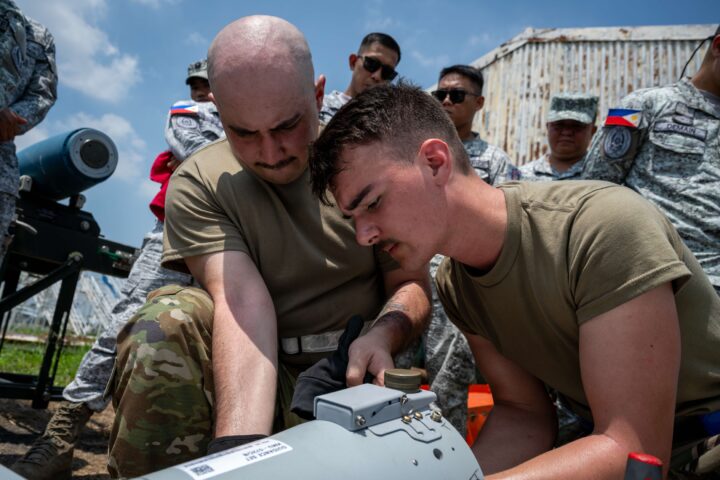
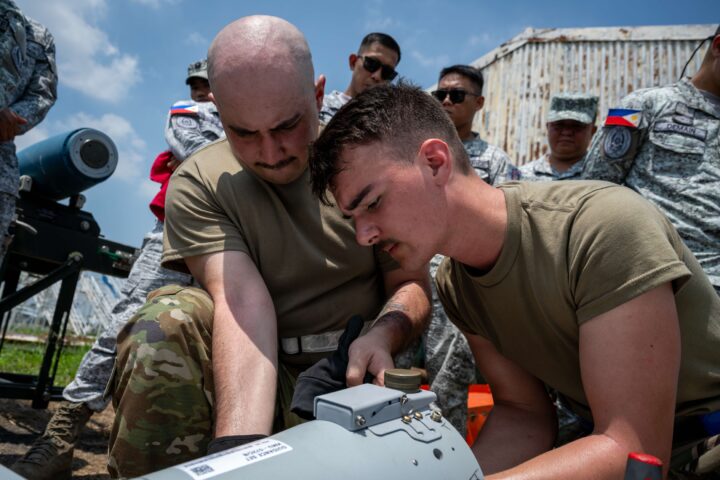
The proposal to establish an ammunition production and storage facility at the long-dormant United States Naval Base Subic Bay has ignited debate among defense experts, economists, and policymakers. Recently detailed in the House Appropriations Committee’s defense subcommittee report, this plan seeks to create a forward-staged manufacturing hub in the Indo-Pacific—a region increasingly loaded with tension and competing interests. In this opinion editorial, we take a closer look at the proposal, unpack its tricky parts, and explore the potential economic, strategic, and diplomatic implications amid an evolving U.S.-Philippine defense relationship.
At its core, the initiative is about more than just reactivating a former installation; it signals a renewed commitment to a robust defense posture in an area where geopolitical shifts are non-stop. Advocates argue that such a facility could provide much-needed ammunition stockpiles and related materials essential for modern military readiness. Critics, on the other hand, point to the tricky parts of balancing long-established diplomatic ties with the risks of over-militarization in an already tense region. By taking a closer look at these issues, we can understand both the opportunities and the complicated pieces that make this proposal a subject of heated discussion.
Historical and Strategic Context: Subic Bay’s Legacy
Subic Bay is not a new player on the international stage. Once a bustling U.S. naval base, its strategic location made it a cornerstone in American military operations in the Pacific. When the United States officially withdrew in 1992, a major chapter in U.S. military history closed. However, in recent years, the base has re-emerged as a focal point for discussions about regional security amid the rise of China and shifting dynamics in the South China Sea.
Historically, Subic Bay provided a logistical hub, a repair yard, and an essential maintenance node for U.S. Navy warships and other vessels. The legacy of this base, though buried over decades, continues to influence present-day plans for defense cooperation with the Philippines. The notion of reactivating or repurposing this grand facility is rooted in the understanding that its geographic and historical significance still holds strategic value in today’s security environment.
Redefining Indo-Pacific Security: The Need for a Manufacturing Hub
Modern defense planning is replete with tricky parts and confusing bits that demand innovative solutions. Among these, the strategic need for a forward ammunition manufacturing and storage facility stands out. Proponents of the initiative point out that having an on-site facility would address supply chain vulnerabilities and ensure rapid replenishment of critical munitions. This is considered especially crucial in a region where tensions can escalate quickly.
In today’s military operations, logistics and prepositioned supplies can mean the difference between mission success and failure. By establishing a joint facility at Subic Bay, U.S. lawmakers believe that both countries can better handle the unpredictable twists and turns inherent in contemporary defense strategies. Such a facility would not only serve tactical needs but also enhance the overall deterrence posture. In effect, this is a case of making an already important site even more relevant by harnessing its potential to become a super important hub for future military operations.
Key Benefits of a Joint Ammunition Facility
- Faster Response Times: A facility located nearer to conflict hotspots in the Indo-Pacific drastically reduces re-supply delays.
- Enhanced Readiness: With pre-staged munitions and essential materials, military units can be better prepared to face sudden upsurges in regional tensions.
- Shared Defense Responsibilities: Collaborative efforts between U.S. and Philippine forces help build trust and mutual understanding.
- Economic Advantages: Revitalizing Subic Bay could stir local job creation, infrastructure investment, and economic growth in surrounding regions.
The above points encapsulate the primary allure of the proposal. However, understanding and mitigating the finer details—such as logistical challenges, safety in handling volatile materials, and managing local sensitivities—remains a must-have element in the successful implementation of this initiative.
Economic and Diplomatic Dimensions: A Closer Look
The move to reinstall an ammunition production and storage hub in the Philippines is laden with both economic promise and diplomatic pitfalls. On one side, the plan is seen as a boost to local industries; on the other, it is just one piece of a complicated puzzle involving American and Philippine interests. This plan is expected to stimulate local economies via enhanced infrastructure spending, development of manufacturing capabilities, and job creation. Yet, these advantages must be balanced against the nerve-racking issues of environmental safety, regulatory compliance, and potentially increased militarization in the region.
From an economic perspective, the proposal is viewed as a catalyst for stimulating an emerging defense industrial base under the Philippine Self-Reliant Defense Posture Revitalization Act. This legislation is designed to help the country build a robust local defense industry, one that can support not only national security but also broader economic development. Philippine President Marcos has spoken proudly about this initiative, emphasizing how it represents a long-term growth trajectory for the nation’s defense industry.
Diplomatically, the initiative also carries lessons in the art of balancing national security with international partnerships. While U.S. lawmakers are keen on forward-staging ammunition to bolster rapid response capabilities, Philippine officials stress the importance of remaining independent and building local capacity. In a nutshell, this strategic collaboration is loaded with problems that require both sides to talk openly about their expectations, risks, and benefits.
Comparing Economic Advantages and Diplomatic Cautions
| Aspect | Advantages | Potential Challenges |
|---|---|---|
| Local Economic Growth |
|
|
| Defense Readiness |
|
|
| International Diplomatic Ties |
|
|
This table helps highlight the delicate balance between fostering economic growth and addressing local and geopolitical concerns. Both sides must work through a series of daunting regulatory, environmental, and diplomatic twists and turns to ensure that the facility can stand as a beacon of regional cooperation rather than an encumbrance.
Defense Cooperation in the Indo-Pacific: A Broader Perspective
The region as a whole is shifting, and strategic defense arrangements reflect broader changes in global power structures. With China’s growing influence in the South China Sea and the Luzon Strait, both the United States and the Philippines are striving to secure their positions amid these challenges. In many ways, the initiative to reactivate Subic Bay’s facilities is part of an evolving narrative of international collaboration and competition. The joint facility would be a small but significant piece of a larger strategy to counterbalance rival powers while reinforcing mutual defense commitments.
Defense experts argue that having a forward-based ammunition stockpile can serve as both a deterrent and a rapid response mechanism in case of heightened regional tensions. This dual role makes the facility not just a logistical asset but also a confidence-building measure—a way to show that both nations can work together to manage tricky parts while remaining prepared for any contingency.
Implications for Future Defense Industrial Collaborations
The conversation does not end with Subic Bay. More broadly, American and Philippine defense planners have signaled priorities in creating a more integrated and resilient defense industrial base. A joint vision statement released during Secretary of Defense Pete Hegseth’s visit to Manila depicted ammunition components and energetics as among the top areas for rapid cooperation. This means the groundwork is being laid for future collaborative projects that extend beyond just ammunition storage and production. In the upcoming years, we might well see a blossoming of projects that fill in the little details that make each initiative unique.
Moreover, this process is intertwined with domestic policies in both nations. The Philippine Self-Reliant Defense Posture Revitalization Act, for example, represents a powerful push towards nurturing local industries. While some might argue that such measures create overly protective economic environments, many believe that they empower local enterprises, create new jobs, and provide a balanced counterweight to larger international players.
Local Industry and Global Implications: A Multifaceted Impact
One of the most appealing aspects of the ammunition facility proposal is its potential to stimulate local industry. Since Subic Bay has historically been a focal point of activity in the region, the revitalization of this site could herald a renaissance for local shipyards, repair facilities, and critical support services. This is not just about defense; it’s equally about the economic lifeblood of communities that have long depended on the support that a busy port can provide.
While the potential economic benefits are significant, there are also nerve-racking aspects that cannot be disregarded. Environmental safety standards, the safe handling of hazardous materials, and the integration of civilian oversight all form parts of the complicated pieces that must be addressed. Ensuring that the project is both profitable and sustainable will require careful planning, clear regulations, and a willingness to listen to community concerns.
Here are some of the key considerations for local industry and community stakeholders:
- Environmental Safety: Implementing strict protocols for hazardous materials such as acid, nitroglycerin, and nitrocellulose is super important. Any lapse in standards could have widespread consequences.
- Community Engagement: Keeping the local public informed and involved in decision-making can alleviate tensions and foster a sense of inclusion.
- Technological Upgrades: Investing in modern safety and production technologies is critical to maintaining both efficiency and strict adherence to environmental standards.
- Logistical Infrastructure: Renewing and expanding logistical networks will be a key step in making the facility a functional and responsive entity.
Addressing these components in an integrated manner could help steer through realistic challenges that arise when trying to stitch together economic growth with national security concerns.
Analyzing the Diplomatic Perspective: Trust, Sovereignty, and Regional Stability
International politics is always a bundle of subtle details and tricky parts. The renewed U.S. presence by way of a joint ammunition manufacturing hub in the Philippines must be seen within a broader narrative of trust-building and nuanced diplomacy. U.S.-Philippine defense cooperation is not only about military logistics—it’s also about forging enduring partnerships that can withstand global shifts. Both nations must find their way in a diplomatic arena where power plays and sovereignty often clash. This project, therefore, has implications beyond the immediate benefits of enhanced logistics and economic growth.
For the United States, the initiative is a stepping stone in maintaining a competitive edge in the region. For the Philippines, it provides a platform to bolster its capabilities while asserting its sovereignty. Trust is built through joint projects; however, these kinds of endeavors require constant dialogue over what might otherwise be a packed schedule of tangled issues. Both parties are working to align their core interests while addressing each other’s concerns. This is no easy task in an arena that is constantly buzzing with competing visions for the future.
Diplomatic Strategies for a Successful Partnership
- Regular Consultations: Establish bilateral committees to oversee the project’s progress and address evolving issues in real time.
- Shared Technologies: Invest jointly in state-of-the-art safety and production systems to reduce overall costs and promote transparency.
- Clear Legal Frameworks: Define agreements that safeguard sovereignty while enabling efficient collaboration.
- Public-Private Partnerships: Encourage involvement from local industries and international experts to solidify the project’s success and create a diversified economic impact.
These strategies can help manage the nerve-racking challenges arising from a project that sits at the intersection of security and economic development. Ensuring that both countries can confidently commit to the facility requires an ongoing commitment to dialogue and mutual adjustment amid rapidly changing conditions in the Indo-Pacific.
Operational and Logistical Considerations: Getting Through the Fine Points
Establishing an ammunition production and storage facility is layered with several challenging operational aspects. From meeting stringent safety norms to coordinating the logistics across multiple governmental agencies, the project is replete with little details that require continuous attention. Working through these challenging twists and turns, the U.S. Department of Defense—in collaboration with the Department of State and the International Development Finance Corporation—is tasked with a feasibility study that needs to address the following areas in substantial detail:
- Facility Safety: How to securely store volatile materials like nitroglycerin and acid while ensuring minimal risk to the surrounding communities.
- Production Capacity: Evaluating the scale required to effectively support ongoing operations in the Indo-Pacific region.
- Infrastructure Improvements: Optimizing logistical networks at Subic Bay to support a smooth transition and long-term operational efficiency.
- Environmental Impact: Ensuring that environmental regulations are met and that future environmental risks are minimized.
Additional tables representing potential project phases can be quite useful in understanding what this facility might look like over time:
| Phase | Main Focus | Challenges to Overcome |
|---|---|---|
| Planning | Feasibility studies and stakeholder consultations | Identifying and addressing regulatory and safety concerns |
| Development | Infrastructure upgrades and establishing production lines | Securing funding and balancing environmental impacts |
| Operation | Efficient management and supply chain integration | Rapid responsiveness and continuous improvement |
By breaking down the project into these distinct phases, stakeholders from both sides can find their way through each of the nerve-racking aspects of this initiative. Clear milestones and anticipated obstacles not only help manage expectations but also provide a road map for taking the wheel in real time.
Local and Global Reflections: Weighing the Pros and Cons
The initiative to reestablish an ammunition facility in Subic Bay is a vivid example of how defense projects can have multi-layered impacts. Beyond the immediate tactical benefits, there is a broader canvas of local and global consequences that stretch far beyond the confines of the base itself. For local communities, there is the promise of economic empowerment and a boosted industrial base, while for global defense strategists, the facility is a key cog in managing supply chain resilience in a dynamic region.
Yet, as with every major defense project, there are nerve-racking risks loaded within issues that must be carefully considered:
- Environmental and Safety Risks: Working with hazardous materials comes with its fair share of tricky parts, from potential accidental releases to long-term environmental degradation. Ensuring safety is critical.
- Diplomatic Sensitivities: A strong U.S. presence might be seen as an overstep by other regional players, prompting tension and subtle power plays. Finding your way through such diplomatic twists calls for constant bilateral engagements.
- Economic Dependencies: While the facility promises job creation and local growth, it also ties local economies to the vagaries of defense spending and shifts in international policy, which can be unpredictable and overwhelming.
In balancing these factors, it becomes clear that the project is a double-edged sword. On one hand, it offers potential for regional stability and economic growth; on the other, it challenges local and international stakeholders to carefully steer through the maze of safety, diplomatic, and economic concerns.
Looking Ahead: Policy Implications and Long-Term Strategies
As discussions around Subic Bay roll forward, policymakers on both sides of the partnership are faced with a crucial task: to make decisions that are flexible enough to adapt to a rapidly shifting international arena while rooted in clear, pragmatic objectives. The ammunition facility is more than just a logistics puzzle; it’s a symbol of a broader shift in defense strategy—a working through of the small distinctions that differentiate temporary fixes from sustainable long-term planning.
Policy considerations include:
- Regular Reviews: Ongoing assessments of the facility’s operational performance and safety protocols will be a must-have. This ensures that potential issues are identified and managed in real time.
- Financial Oversight: Given the substantial investments required, there must be transparent financial strategies and oversight mechanisms to manage spending and prevent misallocation of resources.
- Environmental Safeguards: Strict adherence to environmental standards is critical. Incorporating cutting-edge safety technologies and environmental monitoring systems can alleviate some of the nerve-racking risks involved.
- Diplomatic Engagement: Continuous diplomatic dialogue not only with regional allies but also with neighboring countries can help smooth out the subtle differences and fine shades of international opinion.
Taking a closer look at these policy implications reveals that while the project may appear intimidating in its scale and potential risks, a carefully structured framework can help all parties involved to find their way around the many complicated pieces of this initiative.
Public Opinion and Media Coverage: Shaping the Narrative
It is no secret that major defense projects like this one are heavily scrutinized by the media and the public alike. How the narrative is framed can have a significant impact on political feasibility and public support. In the case of the ammunition facility at Subic Bay, the media has played an important role in highlighting both the promise of bolstered defense readiness and the nerve-racking challenges of the project.
Key points often stressed in public debates include:
- Commitment to regional security versus the sustainability of local ecosystems.
- The balance between immediate tactical needs and long-term economic impact on local communities.
- Collaborative defense efforts versus perceptions of foreign overreach in sovereign territory.
Journalists and defense experts have been careful to point out that while the plan could cement stronger ties between the U.S. and the Philippines, it could also inadvertently fuel regional mistrust or create dependencies that might be challenging to unwind. Public sentiment in the Philippines is particularly delicate—local pride in national sovereignty must be balanced against the practical benefits of accepting substantial U.S. defense investment.
Media Strategies for Transparent Reporting
For the media to effectively cover the unfolding story, they must:
- Provide balanced coverage by highlighting both economic benefits and potential environmental or diplomatic pitfalls.
- Include voices from local communities, industry experts, and international defense analysts, ensuring that the discussion is not one-sided.
- Update the public regularly as the project evolves, reporting on milestones, regulatory changes, and any challenges encountered along the way.
Such transparent reporting can facilitate public understanding and help build trust among stakeholders, making it easier to manage the nerve-racking aspects of what is undoubtedly a multifaceted project.
Conclusion: A Future Defined by Cooperation and Cautious Optimism
The proposal to establish an ammunition production and storage facility at the former Subic Bay naval base is a bold step in reimagining U.S.-Philippine defense cooperation in today’s complex international landscape. By bridging historical legacies with modern strategic imperatives, this initiative serves as a microcosm of the efforts underway to create a more stable, responsive, and interconnected Indo-Pacific security framework.
While the potential economic benefits, tactical advantages, and strategic reassertions are compelling, the project is not without its nerve-racking challenges. It is essential that both American and Philippine officials continue to engage in open dialogue, focusing on the intricate little details—from safety protocols and environmental safeguards to transparent financial oversight and diplomatic sensitivity.
Looking ahead, the Subic Bay project may well serve as a blueprint for future defense collaborations, offering a roadmap through the tricky parts and subtle differences that define international partnerships. With careful planning, robust public engagement, and constant reassessment of the ever-shifting geopolitical landscape, the facility can emerge as an example of balancing defense readiness with economic development and regional stability.
In essence, this initiative is neither a panacea nor a peril. It represents a calculated step forward—one that promises prompt benefits while demanding persistent vigilance over the confusing bits and off-putting challenges of modern defense cooperation. Whether this blueprint will be replicated across other global regions remains to be seen, but for now, the renewed focus on Subic Bay stands as a symbol of how nations can work together to manage their way through tangled issues while keeping a keen eye on future opportunities.
By taking the wheel and navigating through each of the small distinctions, subtle parts, and hidden complexities that define both defense infrastructure and international relations, the United States and the Philippines may find themselves better prepared for the twists and turns that lie ahead in a rapidly evolving geopolitical landscape. The journey is challenging, the stakes are high, and the path forward is loaded with potential—provided that every step is taken with caution, collaboration, and a commitment to mutual benefits.
As debates continue in Congress and behind closed doors in defense agencies, one thing remains clear: the reactivation of Subic Bay is more than just a logistical exercise. It is a forward-thinking, if nerve-wracking, experiment in combining historical legacy, economic development, and modern military necessity. It is a sign that in today’s unsettled global arena, innovation and collaboration must go hand in hand to ensure that no twist or turn derails the carefully laid plans for a safer, more prosperous future in the Indo-Pacific.
Only time will tell if this venture will prove to be the turning point it is envisioned to be. For now, policymakers, industry experts, and community leaders alike must continue to work through the complicated pieces of this endeavor together, ensuring that the final outcome enhances security, stimulates economic growth, and respects the intricate balance of regional diplomatic relationships. In the end, the success of this initiative will depend on the ability to blend visionary planning with practical, ground-level execution—all while remaining mindful of the many small details that can make or break such an ambitious project.
Originally Post From https://news.usni.org/2025/06/24/congress-eyes-ammunition-plant-at-former-u-s-naval-base-in-the-philippines
Read more about this topic at
Legitimizing Ammunition Logistics in Indo-Pacific …
Indo-Pacific Maritime Security Initiative