
Local Manufacturing’s Impact on Community Economic Growth
The recent celebration of National Manufacturing Week in Lowndes County and the City of Valdosta brought more than just festivities – it shone a spotlight on the essential role that local manufacturing plays in supporting small business, industrial innovation, and community well-being. In an era where manufacturing is often seen as a remote process dominated by large corporations, local companies like Hunt Industries remind us of the important contribution that these operations make to everyday economic life. This opinion editorial explores the benefits and challenges of local manufacturing, drawing on the events from the week of October 6-10, 2025, and the insightful perspective of community leaders.
Throughout the week, various industry experts, local officials, and community members came together to take part in guided tours, witness live demonstrations, and listen to discussions on manufacturing’s significance. These tours were not mere exhibitions; they were an opportunity to get into the nitty-gritty of how manufacturing supports local jobs, stimulates downstream industries, and keeps money circulating within the community. The event was designed to educate and inspire, and its impact reaches far beyond a single day’s celebration.
Understanding the Role of Local Manufacturing in Economic Stability
Local manufacturing isn’t just about assembling parts or building machines; it forms the backbone of regional economic stability. Community leaders emphasized that manufacturing is super important – it is a key factor in creating good-paying jobs, making it possible for families to thrive without needing to relocate. As Lowndes County Chairman Bill Slaughter pointed out, efforts to recruit and retain industries in the area are on track to keep the workforce local, ensuring stability and growth for future generations.
When you consider the broader picture of economic resilience, manufacturing is like an anchor in a turbulent sea. Local companies produce everything from structural steel to specialized vessels, and each of these products represents more than a finished good; it is a critical component of an economy that values sustainable growth and community development. By harnessing local talent and utilizing modern manufacturing techniques, communities like Valdosta demonstrate that even in a rapidly changing economic landscape, local manufacturing remains a stabilizing force.
Recycling and Resourcefulness in Modern Manufacturing
One of the standout messages during National Manufacturing Week was the innovative practices that modern manufacturers are implementing. For instance, Mayor Scott Matheson highlighted the remarkable resourcefulness of local companies. In his own words, “Any company that can recycle the bars from an old jail and the dimensions is alright in my book.” This statement not only encapsulated the creative spirit of regional manufacturers but also emphasized their commitment to sustainability through resourceful reuse.
Recycling materials in manufacturing isn’t a new idea, but the way companies like Hunt Industries manage to combine cutting-edge technology with traditional practices is truly impressive. It shows that even with tangled issues like waste management and sustainability, there exists an opportunity to create value and minimize the impact on the environment. Through such initiatives, local manufacturing proves that it can meet trading demands while addressing environmental concerns.
Small Business Perspectives: Creating Jobs and Retaining Talent
For small businesses, local manufacturing is not just a distant concept – it is a practical lifeline. The tours hosted during National Manufacturing Week emphasized how manufacturing can generate a vibrant network of opportunities for entrepreneurs. Companies like Hunt Industries support and spur related industries such as equipment suppliers, chemical manufacturing, and agricultural processing. With more than $1 billion in contributions to Valdosta’s economy and employing nearly 5,000 people, the local manufacturing sector is undoubtedly a critical driver of economic success.
Business owners and community members alike stated that having a robust manufacturing base means stable job creation. This, in turn, helps keep young talent from leaving in search of better opportunities elsewhere. County Chairman Slaughter’s encouraging remarks about the ability of local industries to prevent a brain drain resonated deeply with residents. With the support of modern manufacturing practices, parents can confidently tell their children that prosperous careers await right here at home.
Key Benefits of Local Manufacturing for Small Businesses
- Job creation and stability
- Retention of local talent
- Sustainable practices that reduce waste
- Enhanced supply chain integration
- Increased business vitality through local reinvestment
These key benefits demonstrate why local manufacturing is more than just a production process – it is an integral part of community and economic life. By keeping production local, money remains in the community, allowing for reinvestment into local services, infrastructure, and educational programs. This closed-loop system of production and consumption creates a thriving business environment that benefits everyone.
Tour Highlights: Witnessing the Manufacturing Process First-Hand
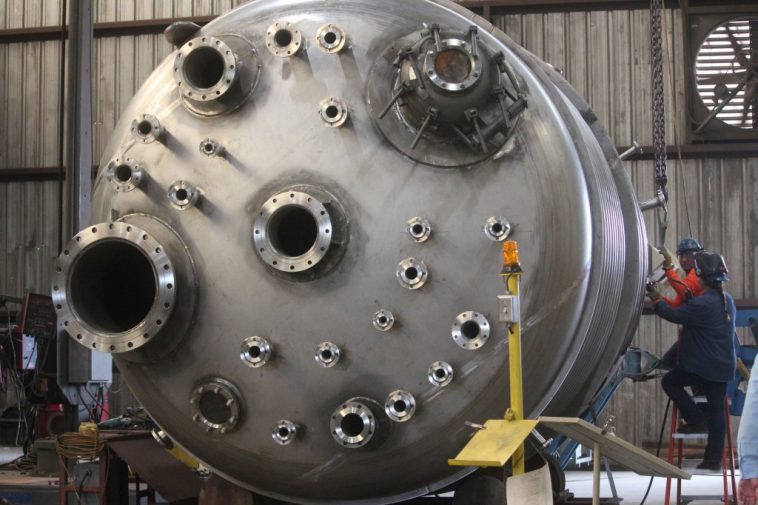
The manufacturing tours provided by Hunt Industries offered attendees a tangible glimpse into the world of modern manufacturing. Visitors wore hard hats, safety goggles, and close-toed shoes as they got into the fine points of the production process. This hands-on experience allowed them to see how steel pieces were welded and shaped into the vessels that power different industries around the country. The tours were an open invitation for the community to ask questions and to dive in – to closely examine not just the process, but the people behind it.
From safety departments to project managers, every member of the Hunt Industries team took the time to explain the small distinctions in each manufacturing step. This kind of transparent communication between manufacturers and the public builds trust and helps demystify an industry that is sometimes seen as intimidating or off-putting. By turning a behind-the-scenes look into an open dialogue, local manufacturers foster a deeper appreciation of their work, which can only serve to enhance community support.
In a table below, some key aspects of the manufacturing tour are outlined:
| Aspect | Details |
|---|---|
| Safety Gear | Hard hats, safety goggles, and close-toed shoes were provided to all participants. |
| Machinery Insights | Live demonstrations of welding and steel fabrication were showcased. |
| Expert Explanations | Industry professionals provided step-by-step details on different manufacturing processes. |
| Community Engagement | Direct interaction with local leaders and experts, sharing the benefits of manufacturing for local growth. |
Small Business Tax Implications and Economic Incentives for Manufacturers
Often, when we talk about manufacturing, we overlook the tricky parts of business tax laws, but it is important to explore how local manufacturing operations benefit from supportive policies. Manufacturing companies in regions like Valdosta are subject to a variety of tax incentives and economic programs designed to foster growth and innovation. These schemes help to soften the blow of the sometimes nerve-racking business environment, loaded with issues such as regulatory twists and turns.
Local government officials and economic development boards have recognized that offering tax advantages to manufacturers is a super important strategy. By reducing the financial burden on companies, governments can make it easier for them to invest in new technology, hire skilled workers, and remain competitive on both a national and international scale. Here are some ways in which tax benefits play a crucial role:
- Tax credits for research and development: Encouraging innovation among manufacturers.
- Investment incentives: Lowering corporate taxes to foster expansion and job creation.
- Local tax abatements: Reducing property taxes for companies investing in local communities.
- Workforce development funding: Supporting training programs to ensure a steady pipeline of skilled labor.
These measures help small businesses and local manufacturers manage their way through the often confusing bits of tax legislation. By providing a financial cushion, the government supports the reinvestment of profits into community-enhancing initiatives, such as facility upgrades and new job programs. The result is an ecosystem where local manufacturing thrives, and small business ventures receive the support they need to succeed.
Engineering Innovation and the Future of Electric Vehicles
In recent years, the automotive industry – particularly the electric vehicle sector – has begun to intersect with traditional manufacturing. While the event primarily celebrated manufacturing week, it also hinted at a broader dialogue about how local manufacturing expertise could lead to breakthroughs in other fields, such as electric vehicle production. Electric vehicles require precision engineering, advanced materials, and a deep understanding of logistics – areas in which strong local manufacturing knowledge is already present.
Innovative manufacturing plants are increasingly exploring ways to incorporate green energy and sustainable practices into their operations. As electric vehicles gain traction on the global market, the marriage between traditional manufacturing and modern, eco-friendly technologies could create entirely new economic zones. A fast-evolving industry, electric vehicle production can benefit from the same kind of careful planning and application of safety protocols seen at Hunt Industries. It’s all about taking a closer look at the hidden complexities of integrating old-school techniques with the cutting-edge technology that electric vehicles demand.
Challenges and Solutions in the Transition to Electric Vehicle Manufacturing
While the potential for growth is enormous, the transition toward electric vehicle manufacturing comes with its own set of confusing bits and intimidating challenges. Manufacturers must meet strict standards relating to quality, sustainability, and safety while also adapting to rapidly changing technology trends. Some of the key hurdles that need addressing include:
- The high cost of adopting new technology and upgrading facilities.
- Lack of skilled labor specifically trained in electric vehicle components.
- Supply chain issues that may arise from sourcing specialized materials.
- Regulatory challenges as government policies evolve in tandem with industry needs.
Nonetheless, many local companies have already started working through these issues. For instance, manufacturers with diverse portfolios are uniquely positioned to cross-pollinate their traditional expertise with modern innovations. By investing in workforce training and retooling production methods, these companies can figure a path through what might seem like tangled issues. Local government support and partnerships with academic institutions play super important roles in ensuring that the transition is as smooth as possible.
The Cultural and Social Impact of Celebrating Manufacturing
National Manufacturing Week serves a dual purpose. Beyond its economic significance, it helps foster a sense of pride and unity within communities that have long relied on manufacturing for their livelihoods. The celebration was marked by community events where local leaders, including Mayor Scott Matheson and County Chairman Bill Slaughter, read proclamations and discussed the bright future of local manufacturing.
Such events serve as a reminder that manufacturing is more than just a business – it is part of a community’s fabric. When people see the tangible efforts of companies like Hunt Industries, they gain an appreciation for the work that goes into everyday products and the small distinctions that ensure quality and reliability. Whether it is through educational tours, public proclamations, or interactive exhibits, the cultural reinforcement of manufacturing as a valuable resource has a lasting effect on community confidence.
Community engagement in manufacturing celebrations also provides a platform for dialogue about the future. By acknowledging the challenges – from the intimidating maze of regulatory guidelines to the nerve-racking demands of modern production – communities can collectively brainstorm solutions and celebrate incremental victories. This sense of solidarity is essential for continuing progress and ensuring that manufacturing remains a cornerstone of the local economy.
How Celebrating Manufacturing Benefits the Broader Community
There are several ways that local manufacturing celebrations create a positive impact across the board:
- Educational Outreach: By opening their doors to the public, manufacturers demystify their operations and inspire future generations to consider careers in engineering, welding, and technology.
- Community Unity: Public events and tours encourage community members to take pride in their local industry and boost local morale.
- Civic Engagement: Engagement between local officials and business leaders helps create synergies that lead to more targeted investments and improved policy frameworks.
Local manufacturing is a prime example of how education and civic pride can walk hand in hand. The fact that communities continue to invest in these industries shows that they understand the subtle parts of economic growth and the importance of keeping money within the local ecosystem. Such investments are essential not only for creating jobs but for building the confidence that small businesses and future manufacturers need to thrive.
Collaborative Efforts Among Local Industries: A Roadmap for Future Growth
The events surrounding National Manufacturing Week also highlighted the power of partnerships between various local industries. With manufacturing at its core, the region’s economy benefits from a wide array of supporting sectors including agriculture, chemical processing, equipment supply, and services aimed at job creation. The collaborative nature of these relationships ensures that progress in one area often sparks innovation in another.
In today’s market, manufacturing companies are finding new ways to partner with small businesses and other local players. An excellent example is how Hunt Industries works with agricultural suppliers, given the region’s strong agricultural roots. Local manufacturers often source raw materials from nearby farms and reinvest their gains back into local communities, creating a positive ripple effect.
When manufacturers, suppliers, and local government work together, the result is a tightly knit economic chain that benefits everyone. This collaboration is especially crucial in times when the business environment can be full of problems – from fluctuating global markets to sudden shifts in supply and demand. By creating a cooperative framework, industries can find your way through challenges and build resilience that extends far beyond individual sectors.
Strategies for Strengthening Local Industry Collaboration
Several strategies can be employed to further strengthen collaboration among local industries:
- Joint Ventures: Small businesses and manufacturers can collaborate on projects to share risk and leverage each other’s expertise.
- Community Forums: Regular meetings between industry leaders, government officials, and community representatives can help address tricky issues early on.
- Shared Resources: The pooling of resources, from equipment to labor, can reduce overheads and improve production efficiency.
- Educational Partnerships: Collaborating with local educational institutions to train the workforce ensures a steady supply of skilled labor.
By adopting these strategies, the community can ensure that local manufacturing remains adaptable and resilient to the continuous changes in the economic environment. At the same time, such measures foster a spirit of innovation and support that transcends individual businesses.
Addressing the Challenges of a Transitioning Global Economy
The ongoing global economic shifts have placed additional pressure on local manufacturing sectors. Managing your way through the unpredictable twists and turns of international trade, supply chain disruptions, and fluctuating commodity prices is not an easy task. However, local manufacturers are increasingly relying on flexibility, adaptability, and, above all, a strong sense of community solidarity to overcome these challenges.
One of the key lessons from the National Manufacturing Week celebrations is the importance of staying agile in the face of global economic change. Local manufacturers are not insulated from global market pressures, yet they continue to play a critical role in driving economic growth at the regional level. Their ability to adjust production techniques, explore new materials, and engage with emerging trends such as electric vehicle technology is crucial for sustaining long-term competitiveness.
When the global economy presents tricky parts or overwhelming challenges, local manufacturing offers a beacon of hope – a way to ensure that communities stay grounded in approaches that have proven effective over generations. The local manufacturing community has shown that by working together, using resourceful recycling methods, and continually modernizing, it is possible to find a path through even the most nerve-racking economic conditions.
The Global Impact of Local Manufacturing Practices
It is important to recognize that while local manufacturing primarily benefits individual communities, its influence extends well beyond regional borders:
- Boosting National GDP: According to the National Institute of Standards and Technology, U.S. manufacturing contributed around 10% of the nation’s GDP in 2023, totaling $2.3 trillion.
- Driving Innovation: Diverse manufacturing practices inspire innovations that can be scaled up for broader applications in technology and infrastructure.
- Enhancing Global Competitiveness: A robust local manufacturing sector positions the United States as a formidable player on the international stage.
- Environmental Leadership: Sustainable local manufacturing practices set important precedents for environmental responsibility globally.
These global impacts underscore why supporting local manufacturing is not merely a regional priority, but a national one. The lessons learned from community-level efforts provide valuable insights for policymakers, business leaders, and international partners aiming to secure a stable and prosperous future.
The Future Outlook: A Call to Action for Community and Industry Leaders
As we reflect on the insights shared during National Manufacturing Week, one message resounds clearly – local manufacturing is key to a stable and prosperous future. For community and industry leaders alike, there is a pressing need to encourage and invest in initiatives that support sustainable, locally anchored manufacturing practices. This means taking bold steps to address challenging issues, installing modern production methods, and crafting economic policies that favor local reinvestment.
Financial incentives, workforce training programs, and community outreach efforts are just a few of the essential tools needed to build a robust manufacturing infrastructure. Local government officials and business leaders must work together, sorting out the tangled issues that arise from regulatory changes and global market pressures, to create an environment where manufacturing can flourish. It is about ensuring that every small business and manufacturing facility has the resources to thrive, not just survive.
Looking toward the future, we must remain open to change while holding fast to the values that have sustained manufacturing for decades. In communities like Lowndes County and Valdosta, where manufacturing has long been the cornerstone of economic life, the call to action is clear: invest in innovation, nurture local talent, and maintain a focus on sustainable growth. Only by doing so can we hope to keep money in the community and ensure that the skills and opportunities provided by local manufacturing continue to support small business prosperity for generations to come.
Actionable Steps for Local Business and Government Leaders
To make the most of the promises that local manufacturing holds, leaders should consider these actionable steps:
- Enhance Workforce Development: Partner with educational institutions to create specialized training programs that meet emerging industry needs.
- Invest in Research and Innovation: Allocate resources for research initiatives that bridge traditional manufacturing with modern technologies such as electric vehicles and renewable energy systems.
- Foster Public-Private Partnerships: Create platforms for regular dialogue between policymakers, industry experts, and community members to address small business and manufacturing concerns.
- Encourage Sustainable Practices: Support recycling and resource-conservation initiatives that minimize environmental impact while boosting production efficiency.
- Streamline Regulatory Processes: Work with local governments to reduce unnecessary hurdles and clarify the fine points of business tax laws, thereby easing the pressure on small manufacturers and entrepreneurs.
Each of these initiatives represents a step toward creating a resilient economic ecosystem. As local businesses and government leaders unite to implement these strategies, the benefits will extend far beyond the manufacturing floor – they will touch every layer of the community, from schools and hospitals to local government services and cultural institutions.
Conclusion: Celebrating a Legacy and Building a Future
National Manufacturing Week in Lowndes County was not merely a celebration of production lines or industrial achievements – it was a heartfelt acknowledgment of the enduring role that local manufacturing plays in building a strong community. From the guided tours with safety gear to the passionate proclamations from community leaders, every aspect of the event underscored how manufacturing feeds directly into the economic and social fabric of a region.
By keeping production local, communities like Valdosta are not only ensuring that jobs remain within the region; they are also preserving the unique character and resourcefulness that have long defined small business environments. Local manufacturing supports innovation, promotes community engagement, and provides a buffer against global economic shocks. It is a testament to the power of collaboration and the benefits of modernizing traditions while staying true to longstanding values.
In my opinion, the future of local manufacturing hinges on our ability to adapt to changing economic conditions while holding firm to the community-centric ethos that has propelled us forward thus far. With strategic investments, targeted policy measures, and a sincere commitment to public engagement, the outcome can only be positive. Local manufacturing is more than an industrial activity – it is a reflection of our community’s resilience, creativity, and determination to create a better life for everyone.
Now is the time for community leaders, small business owners, and local manufacturers to come together, figure a path through the confusing bits of modern business challenges, and celebrate the role of manufacturing as a cornerstone of economic progress. Let National Manufacturing Week serve as a reminder that every piece of steel, every welded section of machinery, and every job created is a vital contribution to the legacy and future of our community.
As we move forward, let us carry the spirit of these celebrations with us into every boardroom, every workshop, and every small business meeting. The future is built on the foundations laid by the hard work and dedication of local manufacturers. In our interconnected world, where change is constant and the forces of global business are ever-present, local manufacturing remains an essential, unifying force – one that ensures prosperity remains a shared journey rather than a destination reserved for the few.
In summary, the celebration of National Manufacturing Week in Lowndes County is a call to further invest in and appreciate local manufacturing. It is about understanding that, while the road ahead may be riddled with tension and full of problems, the careful planning, resourceful strategies, and community-based efforts can and will light the way to a sustainable and inclusive economic future. Let us recognize the small business perspective, value the innovative spirit of manufacturers, and commit to policies that support local growth—ensuring that the money stays in the community and that every citizen benefits from the industrious spirit that defines us.
It is my firm belief that by looking into the fast-evolving world of manufacturing, especially in areas that fuse traditional practices with modern technological innovations like electric vehicle production, we can carve out an even brighter future. The journey might be filled with intimidating challenges and nerve-racking decisions, but the results speak for themselves: a strong, vibrant economy where every person has an opportunity to succeed. And that is a legacy worth celebrating for years to come.
Originally Post From https://valdostadailytimes.com/2025/10/21/lowndes-county-recognizes-national-manufacturing-week/
Read more about this topic at
Manufacturing Day – SME
What is Manufacturing Day & Why Should We Celebrate?