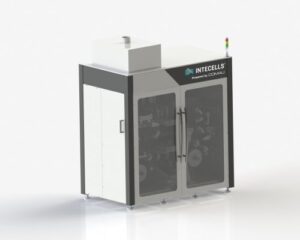

Cold Plasma Technology: A Revolutionary Shift in Battery Manufacturing
In today’s fast-changing industrial landscape, innovations that simplify production and enhance sustainability are more than welcome—they are essential. The recent strategic collaboration between Italian industrial automation leader Comau and Michigan-based startup Intecells marks a critical turning point in battery cell production. By integrating cold plasma technology into established manufacturing lines, both companies seek to address tricky parts of energy efficiency, performance variety, and environmental concerns in one go.
This opinion editorial takes a closer look at the journey of cold plasma from a promising laboratory concept to a full-fledged industrial solution. We will dive in to understand how the technology can potentially streamline production procedures, cut down on energy use, and ultimately pave the way for a greener future in battery manufacturing. We’ll also address the many twists and turns associated with adopting a new technological process and offer insights for industry professionals, manufacturers, and tech enthusiasts.
Understanding Cold Plasma: The Science Behind the Innovation
Cold plasma is a partially ionized gas operating at near-room temperatures. Its unique properties have made it a subject of intense research and development, particularly in the areas of surface modification and material processing. In battery cell manufacturing, cold plasma stands as a disruptive innovation that can replace traditional methods of impregnation and drying processes.
But what makes cold plasma truly special? The technology works by generating ions and reactive species that interact with cell components, thereby cleaning surfaces, modifying interfaces, and ultimately leading to higher energy efficiency and performance. This process not only minimizes energy consumption but also increases the durability of battery cells. The hidden complexities of these chemical interactions, once understood and harnessed, can result in smoother production cycles and enhanced product quality.
Integrating Cold Plasma Into Existing Industrial Lines
Integrating a new technology into established production lines is never straightforward. There are many tricky parts to consider such as process compatibility, system retrofitting, and training staff to operate in new conditions. With the Comau-Intecells alliance, however, progress is being made on bridging these gaps.
The process involves incorporating plasma-based treatment modules into the battery cell manufacturing workflow. This integration is more than a simple add-on; it requires a thorough analysis of the current production systems. Comau’s expertise in battery production—ranging from cell formation to module assembly—plays a super important role in ensuring that the cold plasma solutions are not only compatible but are also scalable for industrial application.
Key Challenges in Technology Integration
The challenges that come with integrating cold plasma technology include several confusing bits and tangled issues that manufacturers typically face when updating production lines. Some of these challenges include:
- Matching plasma parameters with the specific needs of different battery chemistries
- Aligning the integration with existing production cycles while ensuring minimal downtime
- Verifying that the new process meets quality control and environmental standards
- Managing the initial costs and capital expenditures required for retrofitting existing plants
- Ensuring that new processes mesh well with established automation systems
Each of these points requires a dedicated strategy, expert oversight, and considerable research. While the initial investment might seem intimidating, both companies believe that the long-term savings in energy consumption and improvements in production quality make these efforts worthwhile.
Energy Efficiency and Cost Savings: The Economic Impact
One of the most compelling arguments in favor of cold plasma technology is its potential to cut production costs significantly while simultaneously reducing energy usage. Manufacturers are continually looking to optimize production steps and trim down operating costs. The emerging solution from Intecells is anticipated to substantially decrease the amount of energy needed for traditional impregnation and drying processes.
Cold plasma’s role in decreasing energy consumption has far-reaching implications. In an industry where each watt of power saved can translate into significant cost reductions and a smaller carbon footprint, this technology might just be the must-have tool for companies aiming to stay competitive in a market that is loaded with environmental regulations.
Breaking Down the Savings
The projected benefits of cold plasma integration can be summarized as follows:
| Benefits | Expected Improvement |
|---|---|
| Cycle Time Reduction | Shorter process durations lead to increased throughput |
| Energy Consumption | Potential decrease by up to 50% in advanced systems |
| Production Quality | Improvement across a wide range of battery chemistries |
| Capital Expenditures | Reduced need for costly, additional equipment with long-term ROI benefits |
| Environmental Footprint | Lower CO₂ emissions and a less energy-intensive production process |
These figures, while preliminary, suggest that cold plasma could provide a definitive solution for manufacturers grappling with energy costs and stringent sustainability standards. The tangible cost savings and reduction in operational expenses are factors that could propel this technology into widespread adoption in the battery manufacturing sector.
Enhancing Production Quality and Durability
Production quality is a core concern for the battery industry. The new plasma-based treatment not only aims to improve efficiency but also enhances the overall durability and performance of battery cells. With a reduction in energy consumption and a more refined production process, battery cells can achieve improved life cycles and better performance metrics.
The integration of cold plasma technology facilitates a more precise control over variables that typically impact product quality. By eliminating some of the most intimidating aspects of conventional drying and impregnation processes, manufacturers can achieve more consistent quality while reducing the likelihood of production errors. In this respect, the technology works by minimizing the little details and subtle parts that usually compromise battery longevity.
The Role of Cold Plasma in Ensuring Reliability
Reliability in battery manufacturing is not just about minimizing defective units; it’s also about creating a production process that is resilient and adaptable to diverse battery chemistries. Cold plasma technology offers an adaptable approach, capable of fine-tuning its parameters to suit varying production needs. This flexibility is particularly useful in an industry that is constantly evolving with rapid advancements in battery technology and market demands.
This solution not only has the potential to reduce energy use but also to mitigate the nerve-racking issues associated with inconsistent production quality. Manufacturers embracing this innovative method can expect stronger, more efficient battery cells that stand up to the demands of modern applications—from electric vehicles to industrial power storage systems.
Sustainability: Meeting Environmental Goals Head-On
Environmental sustainability is a prominent concern in the battery industry. With stricter environmental regulations and higher consumer expectations for eco-friendly products, companies are under pressure to adjust their manufacturing methods to reduce their carbon footprint. Cold plasma technology offers a promising path toward achieving these environmental goals.
By reducing energy consumption and the need for chemical drying processes, cold plasma not only lowers production costs but also dramatically decreases CO₂ emissions. This dual benefit creates a win-win scenario: improved performance for manufacturers and a smaller environmental impact for society at large.
Eco-Friendly Manufacturing: A Step-by-Step Guide
Transitioning to eco-friendly manufacturing techniques requires a multifaceted approach. Cold plasma technology contributes to this transition in several ways:
- Reduced Chemical Use: Traditional production methods often involve chemical processes that can be harmful to the environment. Cold plasma minimizes the reliance on such chemicals, leading to a cleaner production process.
- Lower Energy Requirements: Energy efficiency is a cornerstone of sustainable manufacturing. The cold plasma approach aims to cut energy consumption by as much as 50% in its advanced stages, significantly reducing the plant’s overall energy needs.
- Minimizing Waste Production: High-quality, durable battery cells mean fewer faulty products are discarded, leading to less industrial waste.
- Optimized Production Cycles: Smoother and more reliable production cycles lead to less energy wastage during manufacturing downtime.
By targeting these areas, manufacturers can effectively steer through the challenges of green production. This transition not only helps companies meet regulatory standards but also satisfies an increasingly eco-conscious market. In an era where sustainability is viewed as a super important asset by consumers and investors alike, adopting greener practices is no longer a luxury—it’s a necessity.
Collaboration: Combining Industrial Expertise with Startup Agility
The collaboration between Comau and Intecells brings together the best of both worlds. Comau, with its decades-old experience in automated battery production, offers an established network and deep understanding of industrial processes. Intecells, on the other hand, brings innovative ideas and cutting-edge research directly from the scientific front lines.
This pairing underscores a common trend in today’s industrial landscape—strategic partnerships that combine industrial might with startup agility. Such collaborations are essential for untangling the many tricky bits of technological transition. By pooling expertise, each partner mitigates potential risks while maximizing value across the entire production chain.
Benefits from an Industrial Collaboration
The benefits of this partnership extend beyond the realms of energy efficiency and production quality. Here are some key advantages:
- Cross-Industry Synergy: The collaboration encourages the exchange of insights between the well-established automation systems at Comau and the innovative, agile techniques developed at Intecells.
- Accelerated Technological Adoption: By validating Intecells’ groundbreaking technology in real-world production lines, Comau is paving the way for faster industry-wide adoption of cold plasma processes.
- Global Reach and Credibility: For Intecells, partnering with a global leader like Comau enhances their credibility, boosting investor confidence and market acceptance.
- Comprehensive Testing: With access to large-scale production facilities, the technology can be iteratively improved, ensuring that it meets both current and future market demands.
Together, these benefits illustrate how a combined effort in tackling production challenges can yield sustainable results, driving progress not only for the companies involved but for the global battery industry as a whole.
Regulatory and Safety Considerations
Any new technology integrated into an existing industrial process must comply with regulatory standards and safety protocols. The cold plasma method brings with it certain adjustable parameters that can be fine-tuned to meet these requirements. Regulatory agencies are keenly interested in reducing environmental impact and ensuring worker safety, making cold plasma a potentially attractive option.
However, manufacturers must carefully manage the little details that come with implementation. This includes ensuring that the plasma process does not inadvertently introduce new safety hazards or regulatory loopholes. By collaborating closely with regulators and adopting rigorous testing procedures, Comau and Intecells are actively working to mitigate these concerns.
Key Safety and Compliance Measures
Some of the key measures that companies need to consider include:
- Regular Monitoring: Continuous tracking of plasma parameters to ensure they remain within safe operational limits.
- Employee Training: Comprehensive training programs to help workers understand and manage the new processes safely.
- Process Documentation: Detailed records of operational data which are essential for periodic audits and regulatory compliance.
- Collaborative Oversight: Working hand-in-hand with regulators, industry experts, and technology providers to ensure that new protocols are thoroughly vetted.
By putting these compliance measures at the forefront, manufacturers can overcome the configuring challenges and alleviate concerns about safety and reliability. In doing so, they not only boost confidence in the new technology but also create a safer work environment for all involved.
Looking Ahead: The Future of Battery Cell Manufacturing
Even with early success stories and promising projections, cold plasma technology is still in its progressive phase. Yet with every new industrial technology, there is a period of adjustment and learning. As more manufacturers take a closer look at the potential benefits of plasma integration, industry standards will likely evolve to accommodate and further refine these processes.
Looking ahead, the fusion of automation expertise from established industrial giants and the nimble innovation of startups like Intecells promises a future where battery cell manufacturing is not just more efficient and cost-effective but also more sustainable and reliable. This next-generation approach aims to tackle the tricky parts associated with energy consumption, production quality, and environmental impact, creating a win-win scenario for both manufacturers and end-users.
Predicted Industry Trends and Innovations
Several trends could emerge as cold plasma technology matures:
- Standardization of Fluid Systems: Development of industry standards that integrate cold plasma processes, making it easier for manufacturers to adopt the technology uniformly across various production lines.
- Enhanced Research Collaboration: Increased investments in R&D from both the public and private sectors aimed at optimizing plasma parameters for different battery chemistries.
- Energy Sustainability Focus: More companies could leverage plasma technology as part of a broader initiative to create greener production frameworks, reducing overall reliance on non-renewable energy sources.
- Incremental Process Improvements: With continuous feedback from large-scale industrial applications, manufacturers can fine-tune every subtle detail of the manufacturing process, leading to even higher efficiency and reliability.
These trends underscore how critical innovations like cold plasma technology can transform an industry. They lay the groundwork for a future where advancements are driven by both economic imperatives and environmental imperatives.
The Broader Impact on the Global Industry
The adoption of cold plasma in battery cell manufacturing has implications that extend beyond the immediate economic benefits for individual companies. On a global scale, improved battery performance and efficiency contribute significantly to advances in electric vehicles, renewable energy storage, and portable electronics. As these sectors grow, there will be an increased demand for batteries that can deliver consistent, high-quality performance.
Furthermore, as regulators and consumers both push for cleaner, more sustainable technologies, embracing innovative methods like cold plasma could serve as a blueprint for other industrial sectors facing similar challenges. The lessons learned here—whether in managing production twists and turns or in sorting out the behind-the-scenes operational adjustments—can be applied to numerous other high-tech manufacturing arenas.
Global Market Dynamics and Consumer Demand
The global market for electric vehicles and energy storage solutions continues to expand at a rapid pace. With strict emissions regulations and heightened awareness about climate change, more countries are advocating for less energy-intensive industrial processes. This not only makes cold plasma technology an attractive alternative but also drives innovation in related fields.
Industry experts believe that as more companies adopt this new plasma treatment, the technology will spur more research into similar applications across other critical areas, such as semiconductors, material coating, and even biomedical devices. The network effect here is powerful—each advancement in one sector tends to catalyze breakthroughs in others, creating a dynamic environment of continuous improvement and cross-industry learning.
Overcoming Challenges: A Realistic Industry Perspective
No major technological leap comes without its fair share of challenges. Issues such as figuring a path through the initial high capital expenditures, managing the training of a workforce on novel equipment, and addressing the minute yet complicated pieces of the integration process remain real concerns.
However, the lessons from history tell us that bold moves in technology usually come with short-term challenges before long-term benefits are realized. With proper planning, thoughtful implementation, and ongoing collaboration with industry partners and regulatory bodies, the obstacles currently facing cold plasma integration are not insurmountable. With every progressive step, the industry will both learn from these early experiences and improve upon the technology, making it more robust and applicable on a wider scale.
Strategies to Manage Implementation Challenges
Several tried-and-true strategies can help companies figure a path through these initial trials:
- Comprehensive Pilot Testing: Start with limited scale implementations to understand the fine points of integration before fully committing to large-scale changes.
- Cross-Functional Team Collaboration: Involve experts from multiple fields such as engineering, R&D, production, and quality control to create a holistic approach to problems.
- Industry Benchmarking: Compare performance metrics with traditional processes to gauge improvements and justify successive investments.
- Continuous Feedback Loops: Establish a system where process inefficiencies are regularly identified and addressed, ensuring that the production line remains agile and adaptive to new information.
These strategies not only help in overcoming the intimidating elements of technological upgrades but also ensure that manufacturers maintain a competitive edge in the long run. By planning meticulously and executing systematically, the industry can overcome any nerve-racking issues that arise with the introduction of new production methods.
Opinion and Future Outlook
From an industry perspective, the partnership between Comau and Intecells represents a pivotal move towards modernizing battery manufacturing. The integration of cold plasma technology is a bold step that challenges traditional production paradigms. It combines the reliability of conventional processes with innovative breakthroughs that could redefine the boundaries of industrial manufacturing.
In our view, this technological innovation is not just about cost savings or energy efficiency—it is also about rethinking how industries can achieve sustainable growth. With global energy demands rising and environmental concerns taking center stage, technologies that streamline production while reducing ecological impact are indispensable. The cold plasma method may well set the stage for a series of industry-wide changes that encourage further adoption of green production techniques.
As battery performance continues to be a critical factor in the transition to electric transportation and renewable energy storage, companies that invest in innovative manufacturing techniques will likely lead the market in both quality and sustainability. With strategic support from established players like Comau and the radical innovation from startups like Intecells, we are witnessing the birth of a new industrial era—one that looks to solve tangled issues, overcome overwhelming challenges, and secure a more energy-efficient future.
Final Thoughts: A Call to Embrace the Future
In conclusion, while the journey to seamlessly merge cold plasma technology with existing production systems is loaded with challenges, the potential rewards far outweigh the efforts required. Manufacturers who are prepared to embrace this innovative approach can expect not only financial benefits in terms of reduced energy costs and enhanced production quality, but they will also benefit from the broader impact of contributing to environmental sustainability—a goal shared by industries around the world.
As the battery industry evolves, the practical steps taken by leaders in industrial automation and tech innovation provide a roadmap for success. We encourage industry stakeholders, policymakers, and researchers to take a closer look at these emerging technologies, invest in pilot programs, and work together to refine processes that will ultimately power the next generation of energy solutions.
By working through the complicated pieces and navigating the twists and turns associated with this transition, we can foster a competitive environment where green manufacturing is the norm rather than the exception. The collaboration between Comau and Intecells is a beacon of hope in a world that demands efficiency, sustainability, and continuous innovation.
It is our belief that the future of battery manufacturing lies in embracing such innovative practices—making this moment a significant turning point in how industries approach production challenges. In a world where technology intersects with environmental responsibility, cold plasma technology could very well be the spark that ignites a revolution in industrial processes worldwide.
Ultimately, this breakthrough is a reminder that when industrial giants team up with agile start-ups, the sum of their parts can lead to breakthroughs that benefit not only their bottom line but also the global community at large. As we look forward to further technological advancements, the collaboration between Comau and Intecells sets a powerful precedent for all industries: Bold innovation, when properly harnessed, has the power to transform challenges into opportunities for growth and sustainable success.
We remain optimistic about the future of battery cell manufacturing and are excited to see how cold plasma technology will continue to pave the way for a smarter, cleaner, and more efficient industrial future. Investment in technology, combined with strategic partnerships and unwavering environmental commitment, will ensure that the journey toward a greener and more sustainable world is just getting started.
In conclusion, while the short-term challenges may seem overwhelming, the long-term benefits of integrating cold plasma into battery manufacturing are clear. It is a path forward that not only promises enhanced energy efficiency and production quality but also embodies the spirit of innovation required to meet future global energy demands. The industry must be prepared to adapt, evolve, and embrace innovative technologies so that we can all enjoy a cleaner, brighter, and more sustainable future in the realm of advanced manufacturing.
Originally Post From https://emag.directindustry.com/2025/06/19/cold-plasma-battery-cell-comau-intecells/
Read more about this topic at
Transforming Battery Manufacturing
Intecells: Home