Senate Tax Bill Expands Qualified Small Business Stock Benefits: What It Means for Entrepreneurs and Investors
The recent Senate Finance Committee proposal, often dubbed the “One Big Beautiful Bill Act,” signals a significant turning point for founders and investors in early-stage companies. With the revised bill aiming to broaden the tax exemption available under Internal Revenue Code 1202 for Qualified Small Business Stock (QSBS), both entrepreneurs and investors have much to ponder. In this opinion piece, we take a closer look at the changing landscape of QSBS, explore the tricky parts of these revisions, and discuss what these changes might mean for various segments of the economy from technology startups to industrial manufacturing firms.
On June 16, 2025, following the House’s previous passage on May 22, 2025, the Senate Finance Committee announced a revised version of the bill. The proposed changes include substantial modifications to the QSBS rules, expanding tax benefits that have already become quite popular among those investing in early-stage companies. This editorial digs into these modifications, offering our view on how the updated QSBS regulations might reshape the investment climate.
Understanding Qualified Small Business Stock (QSBS)
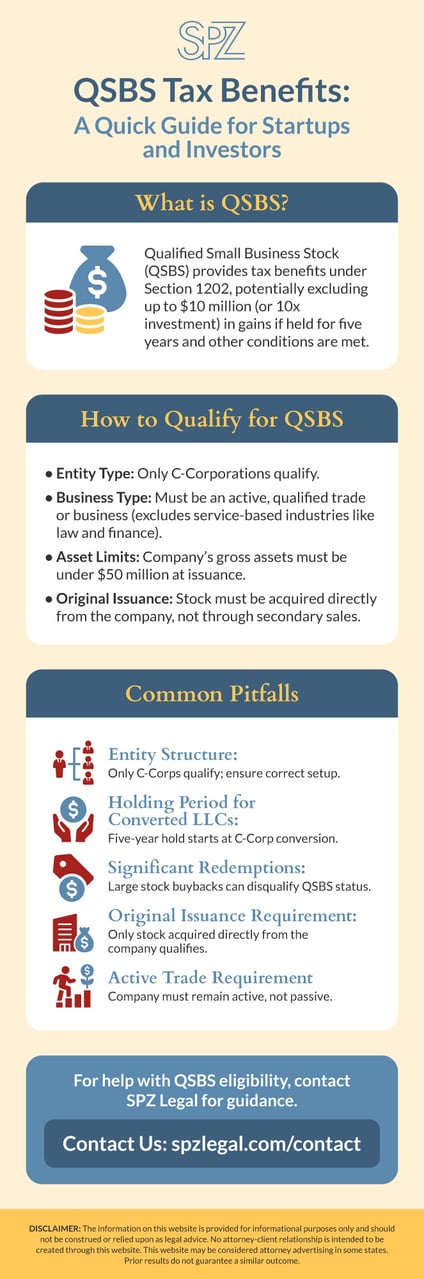
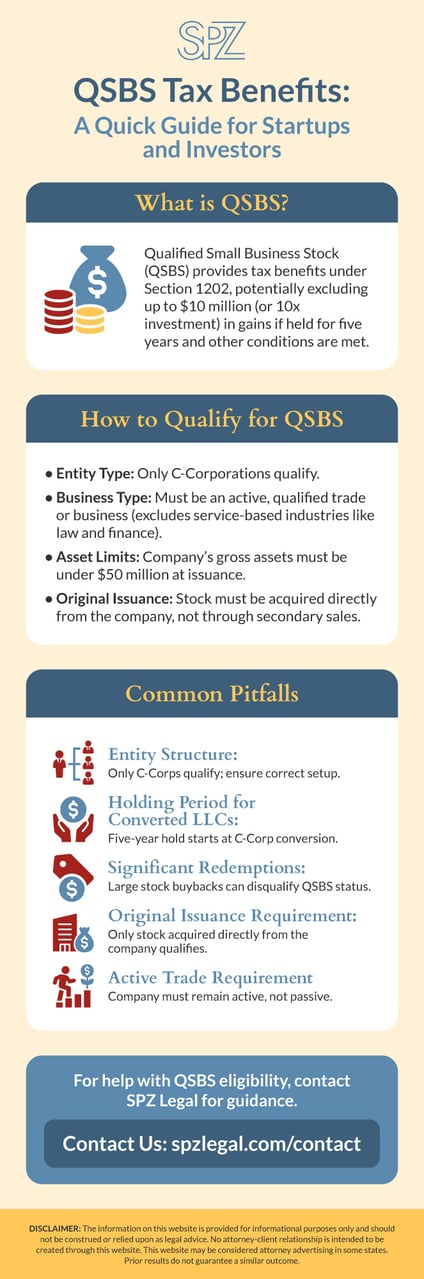
For those less familiar with QSBS, this tax benefit primarily applies to stock issued by domestic “C” corporations. The QSBS rules are designed to help early-stage companies attract investment by offering tax advantages on capital gains. Investors who meet certain holding period and other specific requirements can exclude part of their taxable gains from federal income tax, making QSBS a super important benefit for those willing to take the leap into budding innovations.
Currently, to qualify under QSBS rules, the corporation must satisfy a set of requirements, including having aggregate gross assets of no more than $50 million. However, under the SFC bill, this threshold would increase to $75 million (with adjustments for inflation starting in 2027), which could open doors for a wider range of companies. While QSBS excludes some fields related to service industries—like law and healthcare—the tax benefit still covers many early-stage tech and life sciences companies, both of which continue to drive innovation and growth in the modern economy.
Revised QSBS Rules: A Breakdown of the Changes
The proposed Senate changes are set to alter key aspects of QSBS eligibility and benefits. To make sense of these modifications, let’s take a closer look at the new rules side-by-side with the current law. This comparative breakdown should help entrepreneurs and investors figure a path through the twisted details:
| Aspect | Current Law (Stock Acquired On or Before the Effective Date) | SFC Bill (Stock Acquired After the Effective Date) |
|---|---|---|
| Required Holding Period | More than five years | At least three years |
| Tiered Gain Exclusion Percentages |
|
|
| Gain Exclusion Cap | Greater of $10 million ($5 million for married taxpayers filing separately) or 10 times the taxpayer’s tax basis | Greater of $15 million ($7.5 million for married taxpayers filing separately), adjusted for inflation beginning in 2027, or 10 times the taxpayer’s tax basis |
| Gross Assets Limit | $50 million | $75 million (adjusted for inflation beginning in 2027) |
The above table succinctly highlights key differences. In simple terms, the Senate’s proposal reduces the holding requirements and allows for a faster realization of the tax benefits, while also significantly increasing the maximum amount of gain that can be excluded from taxation. These changes could be especially attractive for startups and early-stage ventures that might require quicker access to investment returns.
Impact on Early-Stage Investing and Entrepreneurial Growth
One of the most notable impacts of the revised QSBS rules is on early-stage investing. Founders and investors often face nerve-racking regulatory environments, and these freshly minted changes might help alleviate some of those worries. With a reduced holding period—from more than five years to at least three years—the investment horizon is shortened, thereby offering a faster turnaround on returns. This adjustment could encourage a more dynamic stream of capital into small business ventures and further drive entrepreneurial innovation.
Moreover, the tiered gain exclusion percentages present a more flexible incentive system, which is particularly appealing given the variety of timeframes in which investments mature. For instance, a startup that’s on track to scale rapidly doesn’t need to lock up capital for more than five years to enjoy the full tax benefit. This can lead to increased bargaining power and, potentially, more competitive deals between investors and new companies.
Benefits to Tech Startups and Life Sciences Innovators
Technology and life sciences companies have long been the prime beneficiaries of QSBS benefits. The SFC bill’s revisions promise to fortify this support further. By easing some of the previous restrictions, the bill makes QSBS even more attractive for ventures that deal with cutting-edge research and advanced technologies.
Some of the key selling points for tech startups include:
- A shorter mandatory holding period, which promotes quicker capital turnover
- A larger gain exclusion cap, which provides better protection in scenarios of excessive growth
- Broader qualifying criteria thanks to the increased gross asset limit
These updates may enable tech startups to get around traditional hurdles more deftly, giving them an edge in securing early-stage financing. Investors may feel more assured about the lag between initial investment and eventual gains, which in turn helps sustain an enthusiastic funding climate for new innovations.
Opportunities for Industrial Manufacturing and Automotive Sectors
Although the QSBS rules tend to benefit high-tech enterprises, the ripple effect of these changes is likely to extend into other sectors as well. In the industrial manufacturing and automotive industries, where research and development costs can be high, improved tax benefits may spur further investments into innovative machinery, automation, and even electric vehicle technology.
For instance, modern manufacturers are increasingly looking into advanced robotics, artificial intelligence, and efficient production techniques to remain competitive. With easier access to early-stage capital due to the revamped QSBS rules, these companies might find themselves with enhanced opportunities to modernize their operations. The automotive industry, already in a transitional phase with the rise of electric vehicles, may also leverage these incentives to fund the development of next-generation technologies that reduce carbon footprints and improve performance.
What the Changes Mean for Business Tax Laws and Economic Policy
The proposed QSBS amendments are a window into how business tax laws are evolving to meet the needs of a changing economy. With President Trump reportedly pushing for the Senate to pass this bill by July 4, 2025, there is a clear impetus to support rapid economic growth, particularly through the lens of small business empowerment and innovation.
The tax incentive tweaks come at a time when policymakers and economic analysts alike are dissecting ways to stimulate investment. The revised QSBS rules are one element of that broader strategy. In a climate where fiscal policies are continually reviewed to support entrepreneurship while balancing public revenues, such changes may represent a significant push towards fostering a more vibrant, investment-friendly environment.
The Broader Economic Repercussions
The economic impact of these adjustments could be far-reaching. Not only do these changes cater to startups and high-growth sectors, but they may also indirectly benefit established companies. Here’s how:
- Increased Investment Activity: Relaxed holding requirements and expanded gain exclusions could lead to more active trading and investment turnover in the small business sector.
- Job Creation: More robust early-stage financing options are likely to spur innovation and, by extension, create new job opportunities, especially in technology, manufacturing, and even in services indirectly impacted by these innovations.
- Incentivizing R&D: Tax benefits that ease capital constraints may encourage companies to invest more in research and development, resulting in overall industry growth.
In this light, the revised QSBS tax benefits are not just a boon for individual investors or startup founders; they are also a stimulus for economic progress. Stakeholders from various sectors could experience a surge in funds available for innovative projects, which in turn can generate a ripple effect across broader markets.
Criticism and Concerns: Navigating the Potential Pitfalls
Even as many hail the expanded QSBS benefits, there are critics who point to potential pitfalls hidden in the fine details of the proposed legislation. Some fear that these changes might inadvertently favor a select few industries over others. For instance, the exclusion of certain service-based fields—from law and healthcare to finance and architecture—could lead to accusations of uneven playing fields. Additionally, the increased gross asset limit, although beneficial on the surface, may create unintended loopholes that allow companies to maneuver around the intended safeguards.
Another layer of complexity arises from the need to reconcile this Senate version of the bill with the one passed by the House. The looming challenge of aligning these versions means that, in practice, businesses and investors may be left with a period of uncertainty. For entrepreneurs already trying to sort out funding strategies and business tax plans, this temporary instability could be both confusing and off-putting.
Concerns About Market Distortions and Competitive Imbalances
Critics argue that by providing such generous tax relief exclusively to certain types of investments, the law might inadvertently create market distortions. For example, investors might choose to sidestep other investment forms in favor of qualifying QSBS, thereby neglecting other sectors that could benefit from capital but do not meet these specific criteria. The concern is that this selective advantage could lead to competitive imbalances, with certain industries enjoying a disproportionate influx of capital compared to others.
Additionally, the possibility of companies restructuring themselves just to meet QSBS qualifications—for instance, by altering their asset structures—should be a consideration. Such strategic moves, while legally acceptable, could complicate the business landscape, creating tangled issues for tax authorities and regulators who must ensure that these benefits are properly administered and not exploited.
Guidance for Founders and Investors: What You Should Consider
With these significant changes on the horizon, founders and investors alike should take the time to dig into the new QSBS rules and evaluate how these modifications might shape future financing strategies. Here are some points to consider:
- Review Your Investment Timeline: The shorter holding period requirement under the SFC bill may allow you to realize gains sooner. Assess your long-term financial objectives and decide if accelerating your investment payoff aligns with your goals.
- Examine Your Business’s Asset Structure: Given the raised gross asset limit, companies near the previous $50 million threshold might have more flexibility to qualify as QSBS. This could be especially beneficial if you plan on scaling operations or seeking growth capital.
- Adjust Your Exit Strategies: The tiered gain exclusion percentages may influence how you plan your exit. For example, aiming for a longer holding period may result in a complete (100%) gain exclusion, provided other requirements are met. Weigh the benefits of a quicker exit against the potential for tax advantages with a longer hold.
- Monitor Legislative Developments: The proposed bill is still subject to change before Senate floor consideration and eventual reconciliation with the House version. Stay updated through reliable sources and consult with your tax advisor to ensure you’re making informed decisions based on the latest information.
For investors, these adjustments could mean rethinking portfolio strategies. With an enhanced tax benefit system, diverse investments in eligible small businesses may offer a more attractive risk-return profile. For entrepreneurs, understanding these nuances is key to designing business models that both maximize capital influx and adhere to evolving regulatory frameworks.
Strategies for Small Business Owners in a Changing Tax Landscape
Small business owners should also consider the potential for growth by capitalizing on these revised QSBS rules. Here are some effective strategies to think about:
- Redesign Your Capital Raising Plans: With the enhanced benefits possibly attracting more investor interest, consider how your business’s financing strategy might change. Are there innovative ways to structure deals that could capitalize on a faster gain exclusion?
- Optimize Your Corporate Structure: Ensure that your company’s structure and operational practices align with QSBS requirements. This may involve reevaluating aspects like asset management and revenue generation to stay within the qualifying thresholds.
- Engage in Early Strategic Planning: Given the potential for legislative delays and subsequent adjustments, early-stage planning is essential. Consult with financial experts who specialize in small business tax laws to make sure you’re prepared for any twists and turns that might come your way.
These strategic considerations can help both small business owners and investors position themselves more advantageously amid the evolving tax policies. By working through the details and planning ahead, stakeholders can avoid potential pitfalls and enjoy the more favorable tax landscape that the QSBS revisions may bring.
Comparing QSBS Changes to Other Tax-Related Proposals
The QSBS modifications are not occurring in isolation. They form part of a broader trend of tax reform aimed at creating a more conducive environment for innovation and economic growth. Other proposals include measures to permit immediate deductions for domestic research and experimental (R&E) expenditures and changes affecting state and local tax deductibility limits. These legislative efforts collectively underscore a policy focus on stimulating business activity and technological advancement.
The QSBS changes, specifically, mark a significant shift in how early-stage investments are treated. By reducing the holding period and increasing both the cap on the tax exclusion and the asset limit, the revised policy appears well-suited for sectors that thrive on rapid development and dynamic investment. In comparison to other measures, which may impact more traditional industries or infrastructure spending, the QSBS revisions provide targeted relief that encourages venture capital flows and startup growth.
How Different Sectors Can Benefit
Different industries may see varying benefits from these revised tax rules:
- Technology and Innovation: Tech startups are likely to benefit almost immediately since the barriers to rapid asset growth are lowered. With accelerated tax benefits, companies in the digital space and life sciences can channel more funds into R&D and market expansion.
- Manufacturing and Industrial Firms: Although traditionally seen as slower-moving, modern manufacturers are increasingly adopting tech to boost productivity. The QSBS changes might encourage manufacturers to experiment with new production methods, given the increased capital access.
- Automotive and Electric Vehicle Sectors: As the race for cleaner, more efficient modes of transportation accelerates, the automotive industry can use these tax incentives to launch innovative models and sustainable vehicle technologies.
This spectrum of benefits highlights the broader economic intent behind the changes. While certain industries might have been favored by previous regulations, the updated QSBS framework appears designed to offer a more balanced approach, enabling diverse sectors to gain from improved tax planning.
Policy Implications and Future Legislative Challenges
Even as the revised QSBS rules appear advantageous, the legislative process itself is full of twists and turns. The proposed measure must still pass Senate floor consideration, reconcile with the House version, and ultimately receive presidential approval—a process that can be both intimidating and unpredictable. Given the tight timeline reportedly set by the administration, stakeholders must stay alert as policymakers work through the bureaucratic tangles. This legislative phase is loaded with challenges, but it is also a critical test of whether the government can effectively boost business and innovation through targeted tax reforms.
There is also the potential for future amendments. Historical trends in tax policy indicate that final enacted policies can differ from initial proposals after stakeholder feedback and further negotiation. Investors and entrepreneurs should therefore be prepared for follow-up changes that may either enhance or moderate the expected benefits. In any case, strategic financial planning that accounts for potential legislative adjustments should be considered a key part of managing your way through this period.
Anticipating Changes in Market Behavior
Market behavior is likely to change in response to these revised QSBS rules. While the immediate reaction may be marked by increased investor enthusiasm in eligible small businesses, there might also be unintended side effects. For instance:
- Rebalancing Investment Portfolios: Investors may increasingly shift funds from traditional stocks to QSBS-eligible investments in pursuit of enhanced tax benefits.
- Adjustments in Startup Valuations: Enhanced tax incentives could lead to higher valuations for startups as the promise of reduced tax burdens makes them more attractive.
- Increased Regulatory Scrutiny: As more players attempt to qualify for QSBS benefits, regulatory agencies might ramp up oversight to ensure compliance with the evolving rules. This could introduce additional layers of oversight and potentially slow down some funding rounds.
While these changes could create some bumpy moments for market participants, the overall aim remains clear: to foster an environment in which innovative companies have the resources to grow quickly and contribute to economic progress. As always, balancing innovation with accountability will be the key challenge for both regulators and market players as these reforms move forward.
Final Thoughts: Embracing Change Amid Uncertainty
The Senate’s revised QSBS bill offers a promising new chapter for small business and early-stage investment in the United States. By reducing the holding period and expanding gain exclusion opportunities, the changes can provide a fresher and more agile framework for financing innovative ventures. However, as with any legislative change, the journey is not without its tricky parts, tangled issues, and nerve-racking uncertainties.
For entrepreneurs, investors, and policymakers alike, the revised rules represent an opportunity—and a challenge—to rethink funding strategies, operational plans, and regulatory compliance. The potential for enhanced economic growth, job creation, and technological progress is significant, but achieving these benefits will require carefully planned strategies and ongoing vigilance as the law makes its way through the final stages of the legislative process.
Given the complexities of the revised QSBS framework, it is essential for all stakeholders to engage with financial experts and tax professionals who can help make sense of the subtle parts and little details that underpin these changes. While the prospect of more attractive tax benefits is exciting, the process of getting around the fine points takes wisdom and preparation.
In summary, as the Senate and House work through their respective versions of the bill and aim to reconcile differences, the business community should prepare for a period of adjustment. Whether you are steering through early-stage investments in tech startups, pushing the envelope in industrial manufacturing, or innovating in the electric vehicle space, staying informed and agile will be key to making the most of these expanded QSBS benefits.
Looking Forward: A Call to Action for Stakeholders
In these fast-moving times, consider this a call to action. Entrepreneurs should start evaluating how their corporate structures align with QSBS eligibility, while investors need to weigh the potential for quicker returns against longer-term stability. Meanwhile, policymakers are tasked with ensuring that the revised rules strike the right balance between attracting essential capital and safeguarding against market distortions.
Ultimately, the revised QSBS bill is more than just an adjustment in tax policy—it is a signal that the government is eager to support innovation and economic dynamism. While uncertainties remain and the road ahead may be loaded with twists and turns, the potential benefits for small business growth and early-stage investment are significant.
Strategic Takeaways for the Future
As we wrap up our exploration of the revised QSBS rules, here are some strategic takeaways to keep in mind:
- Stay Informed: With ongoing legislative developments, it is crucial to keep up with reputable news and expert analyses to understand the eventual impact of these changes.
- Plan Ahead: Consider how the shorter holding periods and enhanced gain exclusions fit within your long-term financial strategy. Early planning could mitigate the intimidating and overwhelming aspects of regulatory changes.
- Consult Professionals: Given the many small distinctions involved in qualifying for QSBS benefits, engaging with tax professionals and legal advisors is a must-have step.
- Adapt Strategically: Both startups and investors should be ready to adapt quickly. The landscape may continue to evolve even after the bill is passed, so continuous reassessment of your strategies is essential.
While the revised QSBS rules may initially appear nerve-racking, the potential for stimulating early-stage innovation and enabling more fluid capital allocation could create a more vibrant investment environment. As we figure out our way through this evolving landscape, a balanced approach that appreciates both the opportunities and the challenges will be indispensable.
In this era of shifting tax policies and emerging business environments, our collective challenge is to not only recognize the benefits of such reforms but also to brace ourselves for the unpredictable turns that accompany significant legislative shifts. The QSBS changes are a reminder that, despite the complicated pieces and tangled issues, progress remains possible when innovation is paired with thoughtful regulatory oversight.
Conclusion
Ultimately, the Senate’s revised QSBS provisions represent a significant, albeit challenging, restructuring of the investment and small business tax landscape in the United States. For entrepreneurs and investors, these changes provide both hope and a cautionary tale. The streamlined holding requirements and enhanced exclusions offer a more welcoming tax environment that could accelerate startup activity and drive innovation. However, the journey through these changes demands careful planning and ongoing engagement with policy updates.
Whether you’re managing your way through early-stage investments or exploring new avenues in industrial manufacturing, the insights offered by these QSBS revisions underscore the critical need for collaborative, well-informed decision-making. As we watch the legislative process unfold, one thing remains clear: the future of small business finance is poised for transformation, and those who are prepared to adjust their strategies will be best positioned to reap the rewards.
It is our hope that the broader business community takes this opportunity to reexamine financial models, internal strategies, and long-term goals in light of the newly proposed tax benefits. With informed and strategic action, the expanded QSBS rules could pave the way for a more dynamic, innovative, and prosperous economic future for all stakeholders involved.
In closing, while uncertainties remain and policy reconciliation is still underway, the prospects for enhanced entrepreneurial activity are promising. We encourage all involved—whether you are a startup founder, an early-stage investor, or a seasoned industry player—to stay alert, remain flexible, and continuously explore ways to maximize the benefits of these notable tax reforms.
Originally Post From https://www.cooley.com/news/insight/2025/2025-06-20-senate-tax-bill-expands-qsbs-benefits
Read more about this topic at
Senate Tax Bill Expands QSBS Benefits
Senate Finance Committee Proposes Significant …