
An Opinion Editorial: Examining U.S. Drug Price Reforms and Their Global Impact
The recent developments in U.S. drug pricing policy have sparked a heated debate among lawmakers, industry executives, economists, and healthcare advocates. President Donald Trump’s latest move—pressuring some of the world’s largest pharmaceutical companies to lower prices for Medicaid drugs—has thrown the industry into a period of turbulence. In this editorial, we take a closer look at these proposals, discussing the political, economic, and regulatory implications, and invite readers to consider how these shifts might change the landscape for innovation, global trade, and patient access in the years to come.
In crafting this perspective, we aim to provide an even-handed overview of events, while highlighting some of the tricky parts and tangled issues that make this debate so charged. Below, we explore several subtopics that shed light on everything from legal challenges to the competitive pressures from overseas markets.
Under the Microscope: The President’s Bold Demand for Price Cuts
On July 31, President Trump sent letters to 17 of the world’s largest drugmakers—including industry giants such as Eli Lilly & Co., Novo Nordisk A/S, and Pfizer Inc.—demanding that they immediately adjust their pricing strategies for drugs covered under Medicaid. The President’s proposal calls for a system where all existing medications are offered at a Most Favored Nation (MFN) rate, ensuring that prices for U.S. public programs remain at or near the levels found in other developed countries.
The demand further requires that new drugs be launched at prices comparable to overseas costs—a requirement that, if implemented, would force companies to rethink familiar pricing models. In doing so, the administration claims that it is working to protect American families from what it describes as “vastly inflated drug prices.” While these proposals are not entirely new—similar tactics were attempted during Trump’s first term and later met with legal hurdles—the renewed push carries with it a sense of urgency and a broad threat to use all available policy tools if companies do not comply within 60 days.
Decoding the Demand: Understanding the Key Proposals
To better grasp the scope of the President’s proposals, it is useful to break down the main components into digestible parts. The letter outlines several key actions, including:
- Requiring drugmakers to supply their full portfolio of medicines for Medicaid recipients at a rate that matches the most favorable price available globally.
- Mandating that all newly launched drugs adhere to the same MFN pricing model when sold to Medicaid, Medicare, and commercial insurers.
- Pressuring pharmaceutical companies to negotiate more aggressively with so-called “foreign freeloading nations,” thereby ensuring that any savings from such negotiations are funneled back to lower drug costs for U.S. consumers.
- Forcing companies to offer direct purchase options for high-volume drugs, eliminating significant rebates currently offered to third-party payers and enabling individual consumers to benefit from lower prices directly.
This outline offers a snapshot of the ambitious nature of the proposals, while also highlighting several of the tricky bits that must be addressed before such measures could become law. For instance, how will these requirements affect the global supply chain, and will the promise of immediate savings lead to unintended complications down the line?
International Pricing Dynamics and Global Trade Policy
One of the central elements of President Trump’s proposal is the attempt to firmly tie U.S. drug prices to those available in other countries. This idea of adjusting U.S. prices to more closely mirror the lower costs seen in European and other overseas markets has not gone unnoticed by global markets. In Europe, for example, pharmaceutical stocks have seen significant slumping, prompted in part by these types of policy discussions and demands.
From a global trade perspective, such measures could have far-reaching consequences. The following table provides an overview of some of the key implications of linking U.S. pricing policies to international benchmarks:
| Impact Area | Potential Effect |
|---|---|
| Competitive Pressure | Competing regions may reassess pricing strategies, which might increase market volatility. |
| Trade Negotiations | Increased leverage for U.S. negotiators might force foreign governments to reconsider their own pricing structures. |
| Innovation Funding | Lower revenues could reduce the funds available for biomedical research and innovation. |
| Supply Chain Adjustments | Companies might have to revise complex supply chain models to accommodate lower and more uniform pricing. |
These potential outcomes illustrate some of the little details—hidden complexities and subtle parts—that industry executives, policy makers, and consumers alike must consider. It is essential to note that while aligning prices internationally might benefit patients in the U.S. by reducing their out-of-pocket expenses in the short term, the longer-term implications for research and development could prove to be just as significant.
Industry Responses: Between Cooperation and Resistance
The pharmaceutical sector has traditionally argued that globally linking drug prices could undermine the incentive for R&D, which is widely seen as essential to developing new treatments and therapies. Following President Trump’s letter, reactions within the sector have ranged from cautious cooperation to outright resistance.
A number of companies, including Pfizer and Novartis, have stated that they are prepared to work with the administration to find solutions that enhance patient access and ensure affordability. In contrast, the industry’s largest trade group, PhRMA, has stated unequivocally that implementing foreign price controls in the U.S. would be detrimental to American leadership in biopharmaceutical innovation. PhRMA’s spokesman, Alex Schriver, stressed that such measures not only hinder the ability to invest in new therapies but may also result in losing competitive ground to countries like China.
This divide in responses can be summarized in the following points:
- Cautious Cooperation: Some industry leaders acknowledge that the current pricing environment is unsustainable, and a dialogue with policy makers is necessary to address the line between profitability and patient accessibility.
- Defensive Resistance: Other companies argue that imposing lower prices based on international benchmarks could devalue years of innovation, recommending instead that efforts focus on the middlemen involved in drug price negotiations.
- Pivotal Trade-Offs: The debate is complicated by the need to balance domestic affordability with incentives for innovation—a balancing act as off-putting as it is nerve-racking for policy makers and the industry alike.
In this context, the push to lower drug prices represents a collision of competing interests. The industry must figure a path that protects the returns on innovation while addressing the immediate needs of American families confronting high drug costs.
Market Reactions: A Turbulent Response Across the Globe
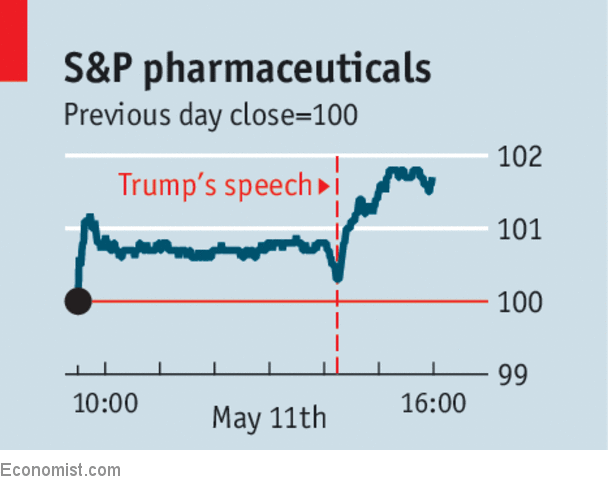
The immediate market response to these proposals has been mixed, with European pharmaceutical stocks taking a significant hit. For instance, shares for leading companies such as Novo Nordisk, AstraZeneca, and GSK have all experienced steep declines in trading sessions following the news. The Standard and Poor’s 500 Pharmaceuticals Index even lost nearly 2.7% in one session, reflecting widespread unease.
This market turmoil underscores the potential for such policy shifts to send shockwaves through the global economic system. Many investors are now left to sort out the implications of policies that tie domestic pricing to a global standard. The darker side of this push is that while such measures may initially seem to benefit consumers, the long-term impact may include disrupted supply chains, lost market confidence, and arguably, less investment in new drug development.
To encapsulate the market sentiment, we can list some of the observed effects:
- Immediate stock slumps for prominent European and U.S. companies.
- Heightened concerns among investors regarding long-term innovation funding.
- An increased volatility in related indices, triggering caution across global markets.
- Calls for closer scrutiny of U.S. trade and pricing policies by international regulators.
As markets continue to digest the news, many stakeholders wonder if these policy moves will ultimately deliver substantial relief to American families or if they will simply trigger more tangled issues down the road.
Legal and Regulatory Hurdles: Is the Administration Underestimating the Challenges?
One of the most controversial aspects of the President’s demands is the legal feasibility of enforcing such a radical overhaul of pricing strategies. Critics point out that previous attempts at similar measures have encountered significant judicial roadblocks. Analysts from BMO Capital Markets have noted that it is “unlikely the Trump administration will be able to successfully implement these policies,” mainly because there is uncertainty over whether the proposed policies have sufficient legal standing.
In addition to legal challenges, the proposals are also bound to face intense regulatory scrutiny. The healthcare and pharmaceutical sectors are governed by a host of established laws and regulations, and any attempt to change the pricing structure would likely require a lengthy process of negotiations, revisions, and possible litigation.
When you take into account these legal and regulatory hurdles, it becomes clear that the implementation of such policies is anything but straightforward. Some of the points needing careful examination include:
- Judicial Precedents: Past legal challenges indicate that establishing uniform pricing criteria across international lines might violate existing statutes.
- Statutory Authority: The administration may lack the regulatory authority to force companies to adopt MFN pricing without legislative backing from Congress.
- Compliance Costs: Enforcing new pricing models could lead to increased costs for pharmaceutical companies, costs which might then be passed on to consumers through other channels.
As policy makers work through these legal twists and turns, any proposal moving forward will need to demonstrate not only its benefits to the public but also its firm grounding in legal authority and practical enforceability.
Trade Tensions and Global Competitiveness: The China Factor
In recent years, the pharmaceutical landscape has been markedly influenced by global competition. President Trump’s campaign to lower drug prices also carries implications for U.S. competitiveness in the biomedical arena, especially in light of rising challenges from China. Industry representatives have warned that imposing foreign-style price controls might inadvertently diminish the United States’ attractiveness as a center for innovation—a worrying prospect when global competitors are scaling up their investments in their own research and development initiatives.
In this context, Trump’s insistence on “deploying every tool in our arsenal” reflects the administration’s belief that the issue is as much about economic leadership as it is about drug pricing. However, the conversation is not simply about prices alone—it touches on market access, the flow of investment, and the long-term sustainability of the U.S. pharmaceutical industry. Here are some key considerations:
- Global Innovation Leadership: U.S. companies have traditionally led global R&D efforts. Curtailing profits through price controls could potentially weaken this advantage.
- Competitive Displacement: With China rapidly increasing its investment in biopharmaceuticals, any policy that dampens industry growth could provide a competitive opening for foreign rivals.
- Balancing Acts: It is a nerve-racking balancing act, ensuring low domestic prices without ceding the innovation lead to competitors who face fewer obstacles in their respective countries.
This dynamic creates an environment where policy makers must carefully figure a path that supports economic competitiveness without letting the short-term aim of lowering prices completely override the long-term need for innovation.
The Impact on U.S. Innovation and the Future of Drug Development
The pharmaceutical industry argues that high drug prices in the United States play a key role in funding research and new drug development. With lower prices, companies claim that the financial incentive to invest in ground-breaking therapies could diminish. This debate raises critical questions about the hidden complexities of innovation funding and market sustainability.
Critics of the price control measures contend that while immediate cost savings for American consumers seem promising, reduced revenues might lead to fewer investments in R&D. This, in turn, could slow the pace of medical breakthroughs and leave the U.S. behind in the race for the next generation of treatments.
Consider the following points when evaluating the trade-offs between lower drug prices and innovation:
- Short-Term Savings vs. Long-Term Innovation: Immediate reductions in drug prices may lower healthcare costs today but could jeopardize investments in tomorrow’s medical advances.
- Investment Cycles: Pharmaceutical companies work on long cycles of research, where profits from successful drugs fund further discoveries. A disruption in this cycle could have lasting impacts.
- Global Competitiveness: If U.S. companies are seen as less profitable due to enforced low pricing, it may drive innovation to other countries where less restrictive pricing models prevail.
Finding a viable route through these issues requires an honest dialogue among all stakeholders. The administration’s proposals, while well-intentioned, may ultimately need to be calibrated to avoid inadvertently stifling the research environment that has historically made the U.S. a leader in the biomedical field.
The Role of Trade Policy in Shaping Domestic Drug Prices
Another layer to this debate is the President’s promise to use U.S. trade policy as a tool to negotiate higher drug prices with other nations. In essence, the idea is that by leveraging trade relationships, the United States could obtain concessions from other countries—concessions that would, in theory, allow for lower drug prices at home.
This approach rests on the assumption that foreign nations, which currently benefit from lower-priced drugs, could be persuaded to adjust their own pricing structures in a manner that benefits U.S. consumers. It is a plan loaded with challenges, as negotiating trade deals that directly impact domestic pricing regimes is a complicated piece indeed. Some points to consider include:
- Trade Leverage: The U.S. might use its economic clout to push other nations toward fairer pricing, but this tactic demands careful, strategic negotiations.
- Reinvestment of Gains: The proposal dictates that any price concessions gained through these negotiations be directly reinvested to lower drug prices in the United States—a concept that would need rigorous tracking and accountability mechanisms.
- Geopolitical Complexities: Trade negotiations are often riddled with tension, and linking them directly to U.S. healthcare policy could add another layer of intricacy to international relations.
In summary, using trade policy as a vehicle to lower domestic drug prices is super important, but the fine points of implementation are anything but straightforward. The plan would need to address how to enforce international agreements and how to manage unexpected side-effects on domestic markets.
What Do These Proposals Mean for American Consumers?
For many American families, the promise of reduced drug costs immediately translates into hope—hope that they might finally escape the burden of exorbitant drug prices. However, as with most major policy shifts, the outcome is not guaranteed. A few aspects are particularly nerve-racking for consumers and advocates alike:
- Short-Term Relief vs. Long-Term Consequences: While lowering prices now could provide much-needed relief, there is a risk that reduced profitability might lead companies to cut back on investments in new drugs.
- Availability and Access: If pharmaceutical companies face tighter margins or are forced to sell drugs directly to consumers, there might be disruptions in the supply chain that could affect drug availability.
- Quality of Medications: There is a concern that drastic pricing reforms might push companies to cut costs in other areas, potentially affecting the quality or innovation that patients have come to expect.
Clearly, any effort to reduce drug prices must balance affordability with the need to keep the drug development pipeline robust. U.S. families deserve affordable medications, but not at the cost of losing the innovation that provides cutting-edge therapies in the future.
How Will Policy Makers Figure a Path Through These Tangled Issues?
The administration’s proposals have ignited vigorous debate on Capitol Hill and among regulatory agencies. While supporters argue that aggressive intervention is necessary to protect consumers from soaring drug costs, critics caution that such measures might result in unintended consequences that could reach far beyond the pharmaceutical industry.
Some lawmakers propose that instead of imposing blanket price cuts, the government should focus on dealing with the middlemen in the pharmaceutical supply chain—those who negotiate prices between manufacturers and insurers. This approach, they argue, could address the issue of inflated prices without directly interfering with the pricing strategies that fund research and innovation.
In this light, policy makers may have to:
- Consider a more tailored strategy that targets specific areas of the supply chain known for adding extra costs.
- Engage in roundtable discussions with industry leaders, patient advocacy groups, and economists to understand the little twists and subtle details of the problem.
- Develop a phased approach that gradually implements pricing reforms while monitoring the impact on innovation and market stability.
These strategies suggest that while the current proposals carry an air of urgency, any sustainable solution will require deep consultation and a willingness to work through the tangled issues that lie at the intersection of commerce, healthcare, and international trade.
Learning from the Past: Lessons from Previous Policy Initiatives
This is not the first time that U.S. drug pricing reforms have taken center stage. In previous administrations, proposals along similar lines were met with aggressive legal challenges and regulatory pushback. These earlier experiences offer valuable lessons for today’s debates:
- Legal Precedents Matter: Past attempts to impose similar pricing controls often foundered in courtrooms. Any future initiative will need to be carefully crafted to withstand legal scrutiny.
- Economic Trade-Offs Cannot Be Ignored: Policies that aim for immediate consumer savings can sometimes create long-term economic headaches, reducing the very innovation they aim to support.
- Stakeholder Collaboration is Key: Previous initiatives that included comprehensive dialogue with industry leaders and regulatory experts fared better in implementation than those imposed unilaterally.
These historical examples underline the fact that while bold policies are tempting, especially in times of public pressure, they must be implemented with an understanding of the fine points and subtle twists that govern the balance between cost-saving and sustained innovation.
Future Prospects: Charting a Course Toward Sustainable Drug Pricing
Looking ahead, the debate over how to manage drug prices is likely to remain one of the most contentious and challenging policy issues of our time. Even if President Trump’s latest demands do not pass muster with the courts or succeed in the legislative arena, they have succeeded in igniting renewed discussion about how best to make medications both affordable and innovative.
An important question that remains is: How can policy makers ensure that American families receive affordable medications without undercutting the super important support for pharmaceutical research? The answer may lie in exploring alternative approaches, such as:
- Increased Transparency in Pricing: Encouraging drugmakers to provide greater insight into how prices are set could help identify areas where costs can be reduced without compromising innovation.
- Targeted Reforms in the Supply Chain: Focusing policy efforts on intermediaries in the pricing process may yield cost savings while leaving the research budget intact.
- Incentives for Innovation: Rather than broad price cuts, creating incentives for breakthroughs in cost-effective drug development could be a win-win for consumers and companies alike.
This multi-pronged strategy would allow policy makers to take a measured approach, steering through the tangled issues that pervade today’s U.S. drug pricing landscape. It is clear that hammering out a solution will require balancing immediate consumer needs with the long-term goal of maintaining America’s leadership in biomedical innovation.
Essential Considerations: Weighing the Costs and Benefits
When looking at the current proposals and the debates they have ignited, several key considerations emerge. Among these, the following stand out as super important:
- Short-Term Relief vs. Long-Term Growth: Immediate reductions in drug prices may provide relief for many patients today, but could potentially hinder the funding of future life-saving research.
- Legal Viability: Any comprehensive pricing reform must be defensible in courts, requiring detailed attention to existing laws and established legal precedents.
- Global Competitiveness: With competitors like China ramping up their investments in biopharmaceuticals, the United States cannot afford to implement measures that might stunt innovation.
- Stakeholder Impact: The changes will affect not only pharmaceutical companies but also insurers, healthcare providers, and ultimately, the patients themselves.
These points emphasize the need for a carefully balanced policy approach—one that addresses the immediate need for affordable drugs without sacrificing the future potential of the U.S. pharmaceutical sector.
Stakeholders’ Perspectives: A Multifaceted Debate
The discussion surrounding these proposals is anything but one-dimensional. Every stakeholder—from powerful industry executives to grassroots patient advocacy groups—brings a unique perspective to the table. Understanding these varying viewpoints is key to appreciating the full span of the debate.
Consider the following breakdown of stakeholder perspectives:
- Pharmaceutical Companies: They are caught between the desire to maintain healthy profit margins that fuel research and the pressure to accommodate policy changes that promise consumer relief.
- Policy Makers: Legislators and regulators are under immense pressure to demonstrate tangible benefits for American families while managing the long-term implications for the health care system.
- Healthcare Providers: Doctors and hospitals are concerned about maintaining a steady supply of innovative and effective treatments, even as cost-cutting measures are considered.
- Patient Advocates: For many patients, especially those struggling with chronic illnesses, any step toward lower drug prices is warmly welcomed, even if it may come with unforeseen challenges in the future.
This multifaceted debate is indicative of a broader struggle: one where the need to get around existing tangled pricing structures must be weighed against the risk of undermining the very innovations that have long supported the industry. The voices across this spectrum remind us that policy making in this arena is as much an art as it is a science—balancing immediate relief with future opportunity.
Weighing Options: Potential Alternative Strategies for Reform
Given the complications inherent in directly imposing a uniform MFN pricing policy, some experts suggest exploring other avenues to achieve the dual goals of affordability and sustained innovation. These alternative strategies may include:
- Incremental Price Adjustments: Instead of a sweeping overhaul, regulators could implement gradual pricing reforms that allow the industry and the legal system to adjust over time.
- Enhanced Negotiation Power for Public Programs: Strengthening the bargaining position of Medicare and Medicaid without directly dictating prices could lead to more natural market adjustments.
- Focusing on the Supply Chain: By targeting the tricky middlemen who contribute to price inflation, policymakers could achieve cost savings without directly altering the pricing structure of drugs themselves.
- Investing in Generic Competition: Encouraging more robust competition in the generic drug market may help drive prices down organically, easing the burden on consumers.
Each of these alternatives comes with its own set of challenges and potential benefits, but what they all have in common is the need to balance the immediate need for lower prices with preserving the ecosystem that underpins American pharmaceutical innovation.
Taking the Wheel: How Policy Makers Can Chart a Balanced Course
As the debate over U.S. drug pricing reform moves forward, it is clear that policy makers must take the wheel with an eye for both short-term benefits and long-term consequences. The balancing act involves several critical steps:
- Comprehensive Stakeholder Engagement: Bringing together representatives from the pharmaceutical industry, healthcare providers, patient advocates, and legal experts to discuss the best path forward.
- Robust Legal Analysis: Ensuring that any proposed measures are grounded in a solid legal framework to withstand judicial scrutiny.
- Careful Economic Forecasting: Studying the potential impacts of pricing reforms on investment in research and development, as well as the broader effects on the global competitiveness of U.S. companies.
- Iterative Implementation: Adopting a phased approach that allows for adjustments along the way, rather than making abrupt and sweeping changes all at once.
By working through these steps and taking a measured approach, policy makers can figure a path that offers immediate relief for patients while ensuring that the American pharmaceutical industry remains a powerhouse of innovation in the global marketplace.
Concluding Thoughts: A Crossroads for U.S. Healthcare
At its core, the debate over U.S. drug price reforms represents a crossroads for American healthcare. On one side lies the promise of lower drug costs—a welcome prospect for millions of patients who struggle with expensive medications. On the other side is the concern that aggressive price controls could lead to reduced funding for essential research, limiting future breakthroughs that have long defined the U.S. as a leader in medical innovation.
President Trump’s latest proposal, with its 60-day ultimatum and its broad scope of demands, encapsulates this tension. It is an effort loaded with issues that are as overwhelming as they are pressing—a reminder that reform in one area of policy can have wide-ranging and sometimes unpredictable effects in others.
Ultimately, this is not just a policy debate; it is a conversation about values—about finding the right balance between immediate relief for American families and the sustained investment required to keep the nation at the forefront of biomedical advancement. The coming months will show whether these proposals can be reconciled with legal and economic realities, or whether a more incremental, partnership-driven approach may prevail.
Patient, Pharma, and Policy: A Look to the Future
For patients, the hope is clear: affordable medications that do not compromise the quality of healthcare. For pharmaceutical companies, there is a pressing need to maintain profitability to fund the innovative research that saves lives. And for policy makers, the challenge is to forge a path that manages your way through tangled regulatory landscapes and technical trade-offs, all while keeping the American healthcare system robust and competitive.
As the discourse unfolds, one thing remains apparent—there is no easy solution to this problem. The fine details and hidden complexities of the current pricing models underscore the need for policies that are both flexible and forward-thinking. Stakeholders across the board have their work cut out for them: the task of smoothing out confusing bits, managing daunting regulatory hurdles, and ultimately ensuring that the U.S. remains a leader in both healthcare affordability and technological innovation.
Key Takeaways for a Sustainable Drug Pricing Future
In summary, the conversation on U.S. drug price reforms is multifaceted and full of twists and turns. Here are the key takeaways that encapsulate the debate:
- International Price Alignment: While linking U.S. drug prices to global standards could provide short-term consumer relief, it raises critical questions about long-term impacts on innovation and market stability.
- Industry Pushback vs. Cooperation: The pharmaceutical industry is divided—some companies are open to negotiating better practices, while others caution that such measures might hinder essential research investments.
- Legal and Regulatory Challenges: Any proposal must be legally sound and carefully implemented to avoid a maze of judicial disputes and unintended economic consequences.
- Alternative Strategies: Incremental changes, targeted supply chain reforms, and enhanced transparency may present more balanced ways to address drug pricing without undermining the innovation ecosystem.
- Future Policy Directions: Effective reform will likely emerge not from a single sweeping policy but from a collaborative, phased approach involving all key stakeholders in the healthcare landscape.
These takeaways offer a roadmap for those tasked with shaping U.S. healthcare policy in the coming years. As debates intensify and proposals wind their way through regulatory and judicial channels, the ultimate goal remains clear: to secure a future where affordable healthcare and continuous innovation go hand in hand.
Final Reflections: Embracing the Challenge Ahead
Change is never easy, especially when it touches on areas as sensitive and complex as drug pricing. President Trump’s recent demands have reawakened a critical debate that many have long considered nerve-racking yet inevitable. The government’s promise to use every tool at its disposal highlights the urgency felt by many Americans—but it also serves as a reminder of the considerable work that lies ahead.
At the end of the day, every policy shift comes with its own set of confusing bits and twisted issues. The current proposal has certainly amplified tensions, revealing not only the delicate balance between affordability and innovation but also the intricate, multifaceted relationships between domestic policy, international trade, and global competitiveness.
What remains to be seen is whether these bold ideas can be translated into sustainable policies that benefit consumers without stifling the creativity and investment that have long defined the U.S. pharmaceutical industry. As lawmakers, industry leaders, and consumers continue to engage in this passionate debate, one thing is abundantly clear: the path forward will require cooperation, careful planning, and an honest appraisal of both the immediate benefits and the long-term consequences of any reform.
For now, American families, pharmaceutical companies, and policy makers alike must brace themselves for a period of adjustment—a time when every decision holds the potential to shape the future of healthcare. Whether these efforts will yield the desired balance remains an open question, but the conversation itself is a critical starting point for creating a more equitable and sustainable system.
A Call for Informed, Collaborative Action
As we continue to watch this debate unfold, it is essential for all stakeholders to stay informed and engaged. Healthcare is a shared responsibility—one that impacts every citizen in the nation. By focusing on transparency, incremental progress, and collaborative problem solving, we can work toward an environment where drug prices are manageable and innovation thrives.
This is not a challenge that can be solved overnight, nor is it one that can be tackled by any single policy change. Instead, it is an ongoing dialogue—a series of measured steps toward rebalancing the competing needs of today’s consumers and tomorrow’s innovators. As the government considers its next moves, the hope is that all parties will work together, learning from past experiences and embracing a collaborative spirit that is as critical now as it has ever been.
In conclusion, while the President’s latest proposals have stirred up a wave of controversy and uncertainty, they have also sparked a necessary and long-overdue conversation about the true cost of healthcare in America. By carefully studying the proposed measures, understanding their legal and economic implications, and weighing the importance of innovation alongside affordability, we can begin to untangle the many issues at play. This is a call for balanced, thoughtful policymaking—one that recognizes the challenges, acknowledges the hidden complexities, and, above all, puts the well-being of American families at the forefront of every decision.
Only through open dialogue, rigorous analysis, and dedicated cooperation among all involved can we hope to secure a future where both patients and pioneers in the pharmaceutical field thrive. The road ahead is undoubtedly filled with twists and turns, but by taking a closer look at the details and working together, we can steer through these intimidating challenges and build a more sustainable and prosperous healthcare system for all.
Originally Post From https://www.supplychainbrain.com/articles/42264-trump-demands-us-drug-price-cuts-sending-pharma-shares-slumping
Read more about this topic at
Trump threatens drug giants with crackdown over prices
‘Americans need lower drug prices’; sets 29 September …