Alternative Food Technology: A Game-Changer for the Midwest
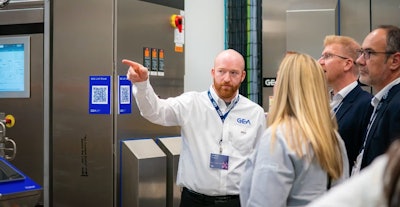
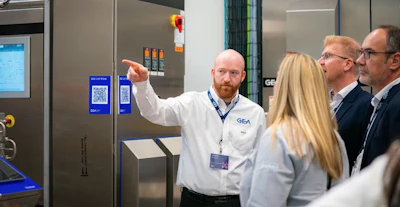
The launch of a cutting-edge facility in Janesville, Wisconsin, marks a significant milestone not only for GEA Group but also for the entire food technology landscape. This new Food Application and Technology Center (ATC) stands as a testament to the drive toward sustainable and alternative protein production. With a USD 20 million investment, the center is poised to shift the boundaries of what we once thought possible when it comes to scaling novel foods. It’s an impressive blend of advanced engineering, innovative manufacturing, and a commitment to sustainability.
This state-of-the-art facility, which is powered entirely by renewable energy, embodies the spirit of progress in the food industry. At a time when traditional agricultural methods are facing various challenges, this center opens up a promising corridor for alternative proteins—including precision fermentation, cell cultivation, and plant-based processing—to take center stage. For many, transitioning from conventional food production methods to these new-age solutions might seem a bit intimidating due to the tricky parts involved in scaling technology. Yet, the Janesville ATC successfully connects academic research with the demands of industrial-scale production, making that path far less nerve-racking.
Sustainable Innovation in Food Processing: Bridging the Lab-to-Factory Gap
One of the greatest obstacles in the food technology sector is the challenge of taking laboratory innovations and converting them into processes that can work on an industrial scale. GEA’s new ATC in Janesville is designed to bridge that gap. By incorporating pilot-scale bioreactors that simulate industrial conditions, the facility offers a safe space for testing and refining processes such as precision fermentation and cell cultivation. This allows businesses to figure a path for product scale-up early on in the development cycle.
The meticulous attention given to both the production and post-production phases is a standout feature of the center. With advanced thermal processing, aseptic filling, membrane filtration, and spray drying areas in place, the facility ensures that high standards of food safety and quality are met. These areas address the tangled issues of food texture, stability, and cost-efficiency, and they help substitute conventional methods with technology that further underscores environmental responsibility. In essence, the ATC is a turning point where expert engineering meets sustainable production techniques.
Key Features of the Janesville ATC
- Pilot-scale infrastructure for key alternative protein production techniques.
- Industrial simulation through bioreactors that mimic large-scale production conditions.
- Cutting-edge thermal processing and aseptic filling methodologies.
- Comprehensive lab support offering microbiological, cell-based, and analytical testing.
- Powered entirely by renewable energy, enhancing sustainability and reducing carbon footprint.
This approach not only mitigates the tricky parts of scaling production but also paves the way for higher efficiency in product development. Bringing innovative ideas out of the lab and into a production environment is no small feat; it involves handling numerous complicated pieces and navigating a maze of quality and safety standards. However, the blend of digital innovation and industrial capacity at the ATC is providing a clear route for overcoming these challenges.
Sustainable Manufacturing and Renewable Energy: Powering a Greener Future
As the world continues to confront the effects of climate change, industries are increasingly turning to renewable energy as a key component of their growth strategy. The Janesville center distinguishes itself by adopting a completely renewable energy-powered approach. By running on a solar park that generates surplus electricity, the facility not only meets its operational demands but also contributes meaningfully to the local energy grid.
This commitment to green energy is critical because it sets a new benchmark for sustainable production facilities. When traditional food production methods are weighed against those that embrace renewable power solutions, the benefits in terms of carbon-savings and environmental impact are evident. The success of these renewable energy strategies may even encourage other industries to steer through the fine points of implementing green technologies.
Renewable Energy and Economic Growth: A Synergistic Relationship
The employment of renewable energy at this facility is more than just an environmental statement. It represents a significant economic opportunity for the Midwest. The ATC provides an exceptional case study in which sustainable production methods and local economic development go hand in hand. The investment not only fuels technological innovation but also creates new high-skilled jobs that are essential for the region’s future.
Building such facilities requires a substantial human resource investment. The project in Janesville has created up to 8 highly skilled positions at the ATC alone, while it complements the ongoing operations at the nearby Separation & Flow Technologies (SFT) facility, which currently employs 74 workers. Additionally, during the construction phase, the project supported approximately 400 to 500 contractor and subcontractor roles, thereby infusing the local economy with fresh job opportunities and enhanced industrial capabilities.
Economic Impact on the Midwest: A Case Study in Innovation and Growth
The new ATC is a beacon of economic vitality in the Midwest. Janesville, with its rich agricultural and industrial heritage, is now poised to emerge as a crucial hub for food innovation. The synergy between tradition and modernity is palpable. Historic industries are blending with futuristic technologies, creating conditions that are ripe for extensive economic growth.
Local economic development partners, including municipal leaders and economic development directors, have hailed the facility as a transformative project that could serve as a blueprint for sustainable growth across the entire region. The infusion of technology and innovation not only boosts food security but also invites regional collaborations that address the delicate balance between industrial modernization and preserving traditional values.
Highlights of Regional Economic Benefits
| Category | Impact |
|---|---|
| Job Creation | Up to 8 highly skilled ATC positions, ongoing support for 74 employees at SFT, 400-500 construction jobs |
| Economic Stimulation | Substantial local investment with a ripple effect in small business growth and regional supply chain enhancement |
| Technological Integration | Adoption of pilot-scale production techniques and renewable energy initiatives |
| Sustainability Benefits | Use of renewable energy to drastically reduce the center’s carbon footprint |
The above table clearly outlines the many benefits that this initiative brings to the local economy. Beyond mere job creation, the infusion of state-of-the-art technology is expected to trigger a series of collaborative ventures, boost small businesses, and set the stage for future advancements in both manufacturing and renewable energy sectors.
Food Safety and Quality: Ensuring the Best for Consumers
A significant aspect of any food production facility is its ability to meet rigorous safety and quality standards, especially when transitioning to new forms of production. The ATC incorporates several advanced processes such as thermal processing, aseptic filling, membrane filtration, spray drying, and centrifugation. These methods together help overcome the confusing bits of maintaining consistency and safety at scale.
The center’s design emphasizes the very fine points of food safety and stability. By simulating industrial conditions through pilot-scale infrastructure, it allows operators to get into testing methodologies early in the process. This early testing helps to pinpoint and adjust any subtle details that might affect the efficacy or safety of the product in the long run. The approach is meticulously planned so that when production scales up, there is minimal risk of safety issues or production delays.
Critical Aspects of Food Quality Assurance
- Thermal processing ensures the destruction of harmful microorganisms while preserving nutritional content.
- Aseptic filling techniques safeguard the final product from contamination, reducing risks post-production.
- Downstream processing via membrane filtration, spray drying, and centrifugation plays a mechanistic role in refining the product, ensuring consistency and texture.
- Advanced laboratory capabilities consolidate various testing procedures under one roof which enhances both reliability and speed of quality control.
These carefully structured processes are not just for show; they are the backbone of the facility’s mission to achieve cost-efficiency and high-quality production. When a production facility can harmonize technology, safety methods, and quality testing under a unified system, it sets a new industry standard for sustainable alternative protein production.
Innovative Collaborations: Strengthening Global Food Security
There is an emerging trend among global leaders to seek cross-continental partnerships that consolidate expertise from both traditional agricultural practices and advanced food technology. GEA’s new ATC is at the forefront of this movement as it invites startups, academia, and established players to join forces. This collaborative ecosystem is essential when facing the unpredictable twists and turns of food production challenges.
International experts, including thought leaders in bioengineering and food policy, have pointed out that facilities like the Janesville ATC are key to resolving many of the tensions associated with transitioning to alternative proteins. The ability to combine scientific research with modern engineering not only demystifies the process but also creates real-world solutions that address food security issues, environmental concerns, and market accessibility.
Components of an Effective Collaborative Ecosystem
- Startups bringing fresh ideas and agile responses.
- Academic partnerships offering rigorous scientific analysis and research breakthroughs.
- Industry veterans contributing experience and established market pathways.
- Investors and policy-makers ensuring that regulatory and financial frameworks align with technological progress.
Each of these contributions is essential for surmounting the challenging bits associated with scaling production while ensuring consistency. The collaborative framework sets a super important foundation, ensuring that the food innovation ecosystem continues to thrive amidst rapid technological changes and market dynamics.
Global Perspectives: Evaluating the Impact of Food Technology Centers
The establishment of the Janesville ATC comes at a time when the United States is at the center of a global surge in alternative protein investments. With Wisconsin emerging as a key player in this arena, the center’s impact goes far beyond local or national implications. Global academics and industry leaders have weighed in on the importance of such technology hubs, emphasizing that they serve as crucibles where visionary science morphs into transformative industry practices.
Professors and research directors representing institutions from around the world see these centers as veritable incubators for food technology innovations. They argue that combining biological insights with advanced engineering can deliver robust solutions for some of today’s most pressing issues—food security, sustainable production, and climate change mitigation. This international perspective highlights the shared responsibility and common goals that underpin modern food technology advancements.
International Voices on the Food Innovation Movement
- Global research institutions emphasizing the need for integrated scientific and engineering approaches.
- Nonprofit think tanks touting the benefits for food security, job creation, and climate mitigation.
- Policy experts outlining the broad economic and environmental benefits of investing in alternative proteins.
This international input solidifies the notion that facilities like the Janesville ATC are not merely regional successes, but rather stepping stones toward a globally coordinated transformation in food production. The center’s design and operations illustrate that even seemingly overwhelming challenges—such as converting laboratory techniques into large-scale manufacturing—can be tackled head-on with the right mix of cross-sector collaboration and innovative engineering.
Addressing the Challenges: Steering Through the Tangled Issues
No industry faces fewer complications than one emerging on the cutting edge of traditional practices. Transforming the food sector by integrating advanced technologies and alternative proteins comes with its fair share of tricky parts. From managing production scale-up to ensuring consistent quality and safety, every step involves a series of small distinctions and hidden complexities that must be addressed with precision.
The Janesville center is an example of successfully getting around these obstacles. Through the use of pilot-scale test lines and simulation of industrial production conditions, the facility provides innovators with the chance to trim down the confusing bits before the product hits the mainstream market. It is a clear reminder that for any groundbreaking initiative to succeed, one must be prepared to work through the fine points of technological integration, regulatory adherence, and market scalability.
Strategies for Managing Growth and Overcoming Challenges
- Early-stage testing to identify and adjust subtle parts that might lead to quality deviations.
- Integration of advanced lab support to streamline microbiological and analytical testing.
- Collaboration with industry experts to design robust quality assurance protocols.
- Investments in renewable energy solutions that counterbalance the high-energy demands of new production techniques.
By taking these measured steps, the ATC is well-equipped to face the twists and turns that come with transforming the landscape of food production. The approach demonstrates that with careful planning and notable investment, even the most intimidating aspects of food technology can be transformed into a series of manageable, productive projects.
Empowering the Local Workforce: Opportunities Amid Technological Advancements
The technological innovations within the Janesville ATC have a direct impact on local job markets. Beyond just bringing in high-level scientific and engineering roles, the facility’s establishment has generated numerous contractor opportunities and supports an existing workforce at the city’s nearby facilities. This confluence of technological modernization and workforce development is especially important for communities with a strong industrial tradition.
Local residents now have the chance to get into roles that merge traditional skill sets with contemporary production techniques. As companies look to bridge the gap between legacy manufacturing and modern biotechnology, the demand for workers who can manage both the old and the new has skyrocketed. This shift presents enormous opportunities for training and development, ensuring that the workforce is not only skilled but also diverse in expertise.
Ways the ATC Benefits the Local Labor Market
- Creation of up to 8 new high-skilled positions directly within the ATC.
- Support for nearly 74 ongoing jobs at the adjacent Separation & Flow Technologies facility.
- Boost in construction and contractor roles—with hundreds of short-term jobs during the development phase.
- Opportunities for workforce retraining and upskilling to meet the demands of advanced food technologies.
This kind of local impact is what makes investments in innovation not only a technological leap but also a robust economic one. The positive cycle of job creation and skills development is critical to ensure that regional economies can keep pace with rapid technological change, turning potential challenges into a win-win situation for both companies and communities alike.
Looking Ahead: The Future of Alternative Protein Platforms
The innovative steps taken by GEA in establishing the New Food Application and Technology Center in Janesville signal a forward-thinking strategy for the future of food production. With ongoing investments in alternative proteins—from precision-fermented egg white to cultivated seafood—the facility is set to redefine how companies approach sustainable food production. It serves as living proof that by combining modern technology, renewable power, and collaborative innovation, the food industry can create scalable, sustainable solutions that meet global demand.
In addition to its direct contributions to manufacturing, the center is poised to influence broader industry trends. As companies and stakeholders take a closer look at the benefits of alternative protein technologies, the ripple effect could lead to increased investments, tougher safety standards, and a richer, more diverse marketplace for food products. Whether one views these changes as a necessary evolution or a fundamental shift in the way we produce and consume food, it is clear that the future is brimming with opportunity.
Anticipated Trends for the Next Phase of Food Innovation
- Greater emphasis on integrating renewable energy with industrial-scale production.
- Increased investment by both private and public sectors into alternative protein research and development.
- A surge in collaborative cross-industry partnerships that drive down production costs and improve product quality.
- The emergence of regional hubs that act as centers of excellence for food technology, mirroring the success of the Janesville ATC.
These trends suggest a future where the food industry is better equipped to handle both environmental challenges and consumer demands for healthier, more sustainable food options. The Janesville facility stands as a clear early indicator of what is possible when technological innovations and sustainable practices coalesce.
Shaping a Sustainable World: Bridging Consumer Needs and Technological Innovation
The evolution of food technology is not merely about scaling up production—it is about reshaping an industry to meet the future needs of consumers across the globe. As technological advances enable companies to produce alternative protein products more efficiently, they are also paving the way for healthier, more environmentally friendly food options. This forward movement addresses the overwhelming challenges of climate change while also meeting the growing consumer demand for sustainable products.
Many people appreciate that the journey from conceptual laboratory research to full-scale production is full of challenging twists and turns. The new ATC demystifies many of these obstacles by offering a controlled environment where innovative ideas can be rigorously tested and refined. Whether you are an investor, a consumer, or a policy-maker, the rise of such facilities underscores the importance of investing in technologies that not only promise efficiency but also champion environmental stewardship.
Key Factors in Meeting Consumer and Market Demands
- Efficiency in scaling up novel production techniques.
- Consolidation of various food safety and quality assurance practices.
- Use of renewable energy in cutting down long-term production costs and environmental impact.
- Collaborative ecosystems that merge the expertise of startups, academia, and established industry players.
These elements not only help drive internal efficiency but also build consumer trust in alternative protein products. For many, the availability of safe, sustainable, and high-quality alternatives to meat, dairy, and seafood marks a new chapter in the way we see food and its production systems. It is proof that by working together to figure a path forward, the industry can meet even the most intimidating challenges head-on.
Conclusion: A Vision for a Resilient and Sustainable Future
GEA’s new Food Application and Technology Center in Janesville represents a bold step toward a more sustainable and innovative future in food production. With its comprehensive suite of pilot-scale production technologies, advanced lab capabilities, and commitment to running on renewable energy, the facility is not just an investment in technology—it’s an investment in the future. By effectively bridging the gap between laboratory research and industrial-scale production, the center tackles many of the challenging twists and turns that have historically made food innovation seem overwhelming.
Through fostering local economic growth, creating skilled jobs, and establishing a collaborative environment for startups, academic researchers, and industry veterans, the ATC sets the stage for a resilient food technology ecosystem. It demonstrates that sustainable advancements in food production need not be restricted to academic theory or niche markets; they can have a tangible, positive impact on communities and global food security alike.
As the ATC continues to evolve and as the Midwest becomes an epicenter for food technology innovation, what we are witnessing is a paradigm shift in the industry’s approach to sustainability. It is a shift that embraces new production techniques while addressing the delicate details of safety, quality, and environmental responsibility. For those invested in shaping the future of food, this development is not just important—it is critical to ensuring that alternative protein solutions can scale sustainably and meet the needs of a rapidly changing world.
Looking ahead, the success of this facility could serve as a blueprint for similar initiatives around the globe. The seamless integration of renewable energy, advanced manufacturing techniques, and cross-industry collaboration heralds a future where sustainable food processing becomes the norm rather than the exception. In such a future, communities worldwide, from the heart of the Midwest to international urban centers, will be better positioned to tackle the ever-evolving challenges of food security, environmental stewardship, and economic growth.
In summary, the Janesville ATC is much more than a new building or a technological experiment. It is a beacon that illuminates the path toward a resilient, sustainable, and economically vibrant future. As companies, policy-makers, and consumers work together, the lessons learned and successes achieved in Janesville can inspire similar advancements worldwide. The ongoing journey toward alternative protein dominance is only just beginning—but with visionary projects like this, the future certainly looks promising.
Originally Post From https://www.foodtechbiz.com/business-updates/gea-opens-new-food-technology-center-in-the-us-to-boost-alternative-proteins-scale-up
Read more about this topic at
Innovations for Sustainable Food Systems
Sustainable Food Innovation – Book